Last updated:
How can a professional interaction have a mentoring dimension?
A mentoring dimension does not require an officer to announce a new title. It begins with the recognition that people notice how authority is used. Instructions, explanations, and follow-through can communicate that rules matter and that the person addressed still has a future. This is a perspective on professional influence, not a claim that every correctional officer has a formal mentoring assignment or should create an informal relationship outside policy.
An interaction can be firm without being degrading. It can communicate a boundary without reducing a person to a label. That distinction matters for staff thinking about how they carry out responsibilities under pressure. The point is not to soften every response or avoid consequences. It is to consider whether the manner of the response is consistent with professional standards, respect, and a belief that a person can make different choices.
What does Melvin Williams Sr.’s story contribute?
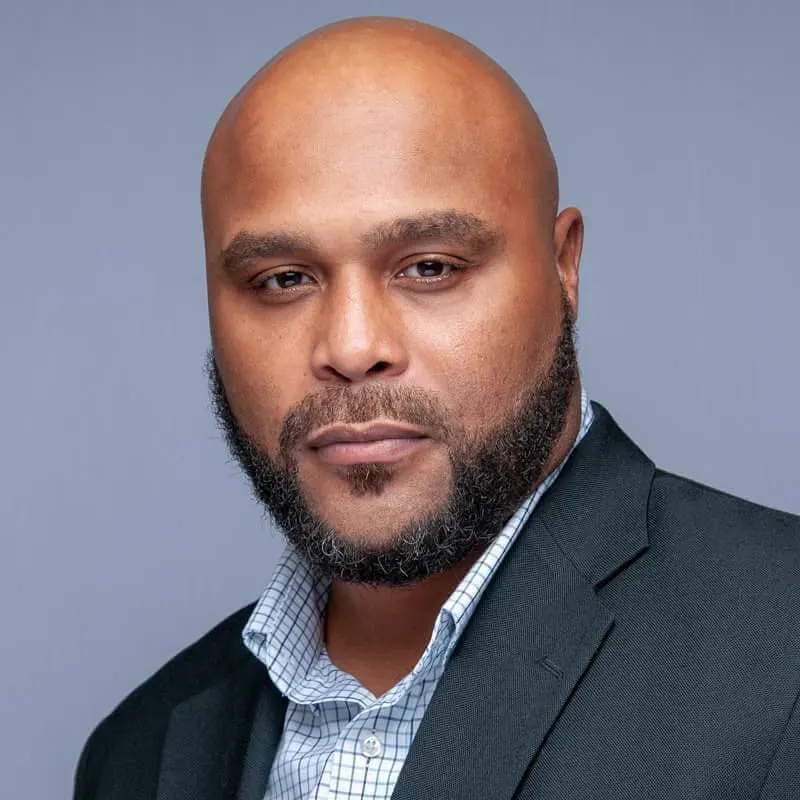
Melvin was first arrested at twelve, in the juvenile justice system by sixteen, and certified into adult court by seventeen. He has never returned to prison. He credits officers, a judge, a behavioral health director, teachers, and coaches who believed in him before he believed in himself. His story gives a corrections and reentry audience a personal reason to consider the influence of everyday professionals.
It should not be turned into an invented account of a particular officer, facility, or conversation. No named partner or correctional institution is presented here. The useful point is the category of influence: ordinary people in different roles saw possibility before Melvin saw it himself. A staff discussion can examine that point while recognizing that each person’s history, needs, and circumstances are different. One story is meaningful without becoming a guarantee for another person.
How do respect and accountability work together?
Respect is not the absence of standards. An officer can explain an instruction, apply the appropriate rule, and remain clear about consequences while using professional language. Accountability is easier to discuss honestly when staff distinguish between an action and the person’s entire identity. That distinction should remain consistent with training and policy; it is not a replacement for the organization’s procedures.
A staff team might examine the difference between explaining what happens next and making a broad judgment about someone’s future. The first can offer clarity. The second goes beyond the immediate responsibility and may close down conversation. Mentorship-informed reflection asks staff to notice that difference. It does not ask them to promise an outcome, overlook misconduct, or assume responsibility for another adult’s decisions.
What boundaries must stay in place?
Corrections work has specific boundaries around security, contact, confidentiality, gifts, favoritism, and documentation. A mentoring perspective must operate within those boundaries. Staff should not create private arrangements, offer unauthorized access, or make personal promises. When someone needs clinical, educational, legal, or reentry support, the next step is the approved referral process rather than an individual staff member taking on responsibilities they are not qualified or authorized to carry.
Before a staff event, ask how the speaker’s examples and language will align with the organization’s policies. Keep professional development separate from confidential case discussion. If staff identify a process problem, they should raise it through the appropriate channel. Belief and boundaries are not competing ideas. A credible mentoring conversation needs both: care for the person and clarity about the responsibility, authority, and limitations of the role.
How can this connect with reentry and workforce readiness?
Reentry involves more than an encouraging message. A person may need access to approved resources, an understanding of the next process, and support from professionals with distinct responsibilities. A mentoring perspective can help staff communicate those pathways clearly without promising housing, employment, or a specific result. The important question is whether the person knows what the next step is and who is authorized to help.
Melvin’s existing topic Beyond the Record centers on building pathways from justice-impacted to workforce ready. For a corrections or reentry audience, that opens a discussion about seeing a person’s future as larger than a record. It does not erase the record or the barriers associated with it. Organizations can discuss the relationship between accountability, guidance, and opportunity while keeping factual claims about their own services and outcomes specific and verifiable.
How should supervisors prepare a staff discussion?
Begin by naming the audience: correctional staff, juvenile justice professionals, reentry staff, or a mixed group. Clarify the purpose of the discussion and which topics are outside scope. A supervisor should avoid using a book discussion as a covert performance review or asking staff to recount sensitive incidents publicly. The setting should support reflection on professional practice without putting private information into an open conversation.
Consider a practical prompt: what does respectful clarity look like in our role? Invite staff to identify a communication habit that fits policy and could be used consistently. Review that habit through normal supervision or training processes. Do not claim that a single session changed rehabilitation or reentry outcomes. A keynote can begin a conversation, but implementation, evaluation, and ongoing support belong to the organization. Ask staff which questions remain unresolved and identify who is responsible for following up after the event.
What can a keynote or book study add?
A reentry speaker can bring lived experience to a conversation that staff may otherwise encounter only through procedures and duties. There’s a Mentor in You book offers a professional development resource, including The Mentor’s Field Guide in the Expanded Edition. Teams can consider a keynote, workshop, or bulk book study as different ways to engage with the message.
To explore fit, provide the staff roles, event purpose, location, proposed date, and any policy considerations in your inquiry. Melvin Williams Sr. is based in Blue Bell in the Greater Philadelphia region. His Foundation’s youth mentorship program is being developed, not operating, and should not be confused with correctional services or an existing partnership. Keep the booking request focused on the professional audience and the conversation you want to make possible.
How do you take the next step?
Discuss your audience, date, topic, and format with Melvin Williams Sr. For team reading, request bulk book pricing.