Mentorship guide · Complete
Mentorship guide: what is mentorship? A plain-language answer
Mentorship is a sustained relationship in which one person shares belief, perspective, and access with another so that person can grow into who they are becoming. It is defined less by expertise than by consistency: a mentor shows up over time, listens more than they advise, and treats the other person as capable before the evidence is in.
This guide is written by Melvin Williams Sr, author of There's a Mentor in You, a professional development and leadership resource for professionals who change lives. He combines lived experience, leadership, workforce development, mentorship, and correctional education to help professionals rediscover the impact of their work.
The Mentor's Field Guide: 17 practices of mentorship
From the Field Guide in There's a Mentor in You — the proven practices of mentorship, named so professionals can use them on purpose.
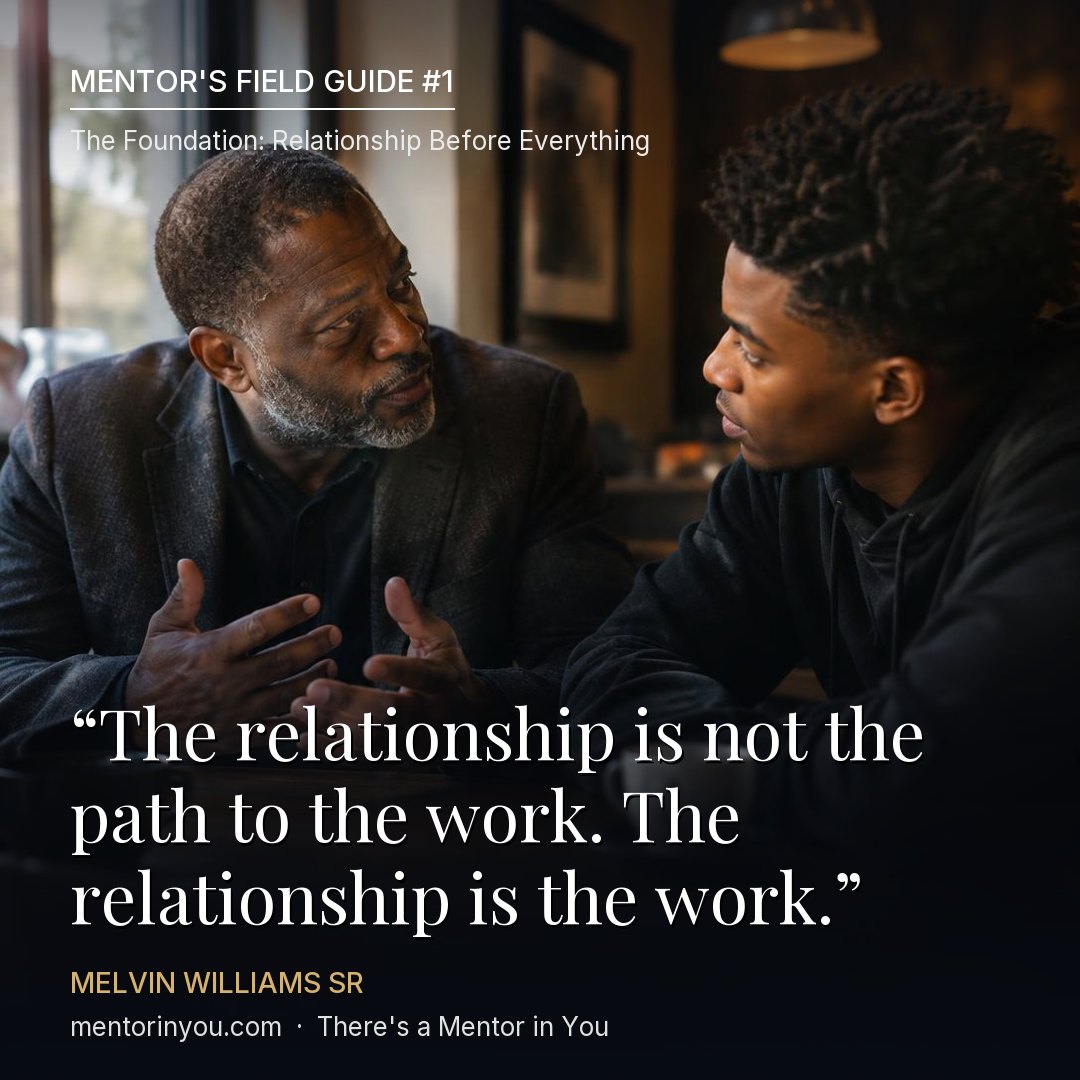
The Foundation: Relationship Before Everything
The single most powerful factor in mentoring is the quality of the relationship. Do not begin what you cannot sustain — consistency, not intensity, is the currency of trust.

Building Trust: The First and Hardest Task
Trust is built through reliability, attunement, non-judgment, and repair. When someone tests you, ask what they are trying to find out — and answer with your steadiness.
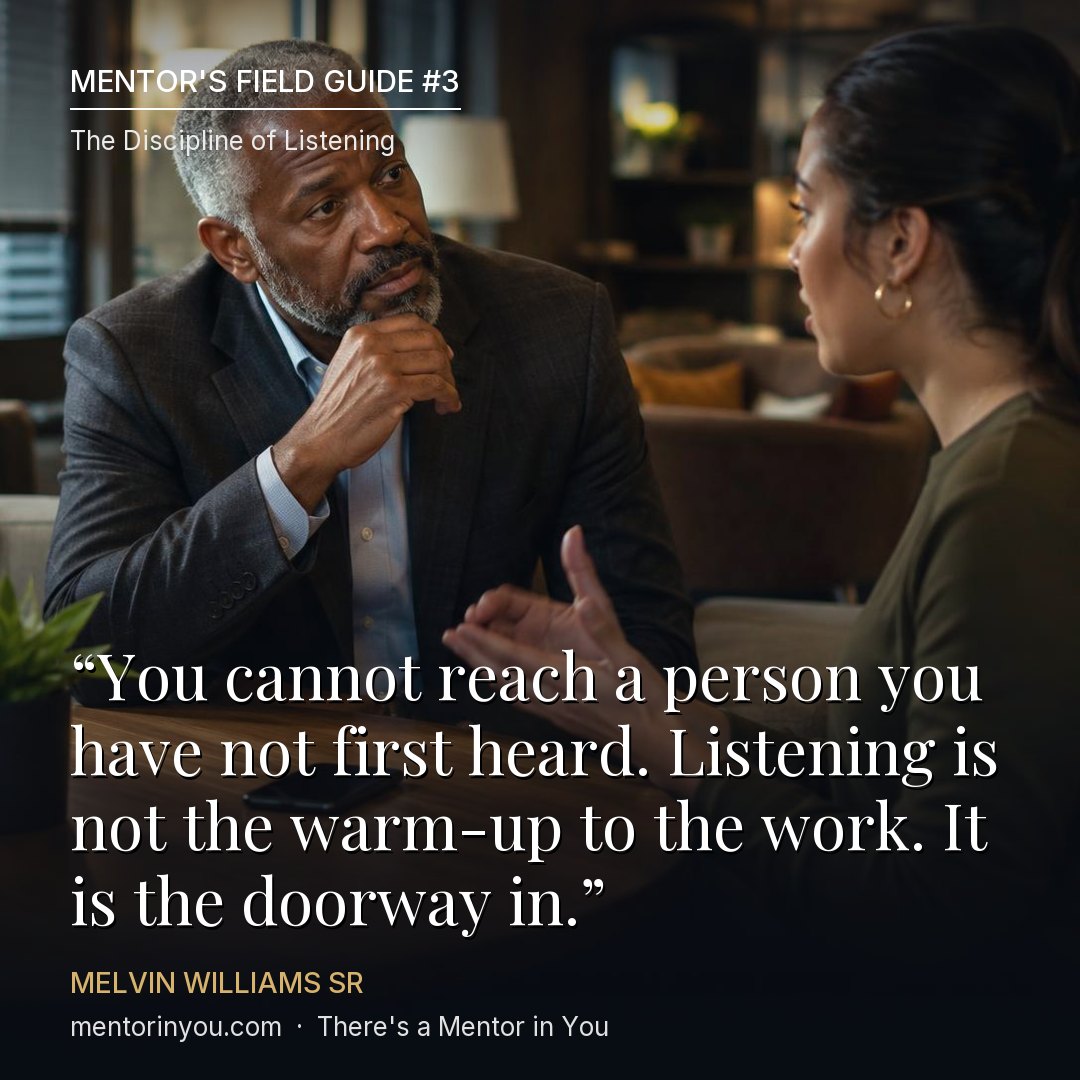
The Discipline of Listening
Give full attention, reflect back what you hear, ask rather than assume, and tolerate silence. Listen without rushing to fix.

Asking Better Questions
Trade closed questions for open ones, and ask people what they think could help. A good question hands a person the dignity of their own understanding.
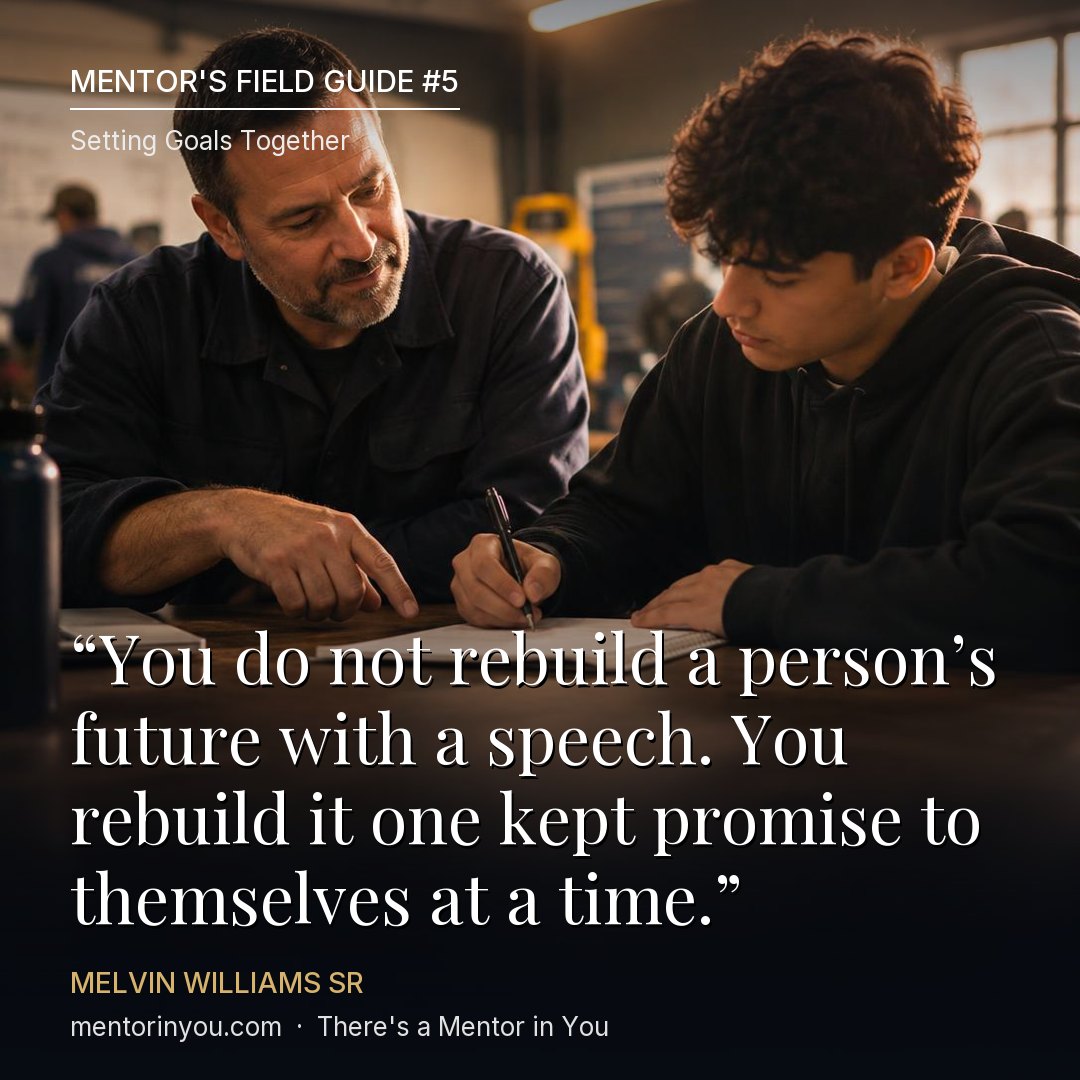
Setting Goals Together
Build goals with the person, not for them, and break them into small steps they can keep.

The Stages of a Mentoring Relationship
Relationships move through stages, from connection and testing to growth and closure. Expect the hard middle and stay through it.
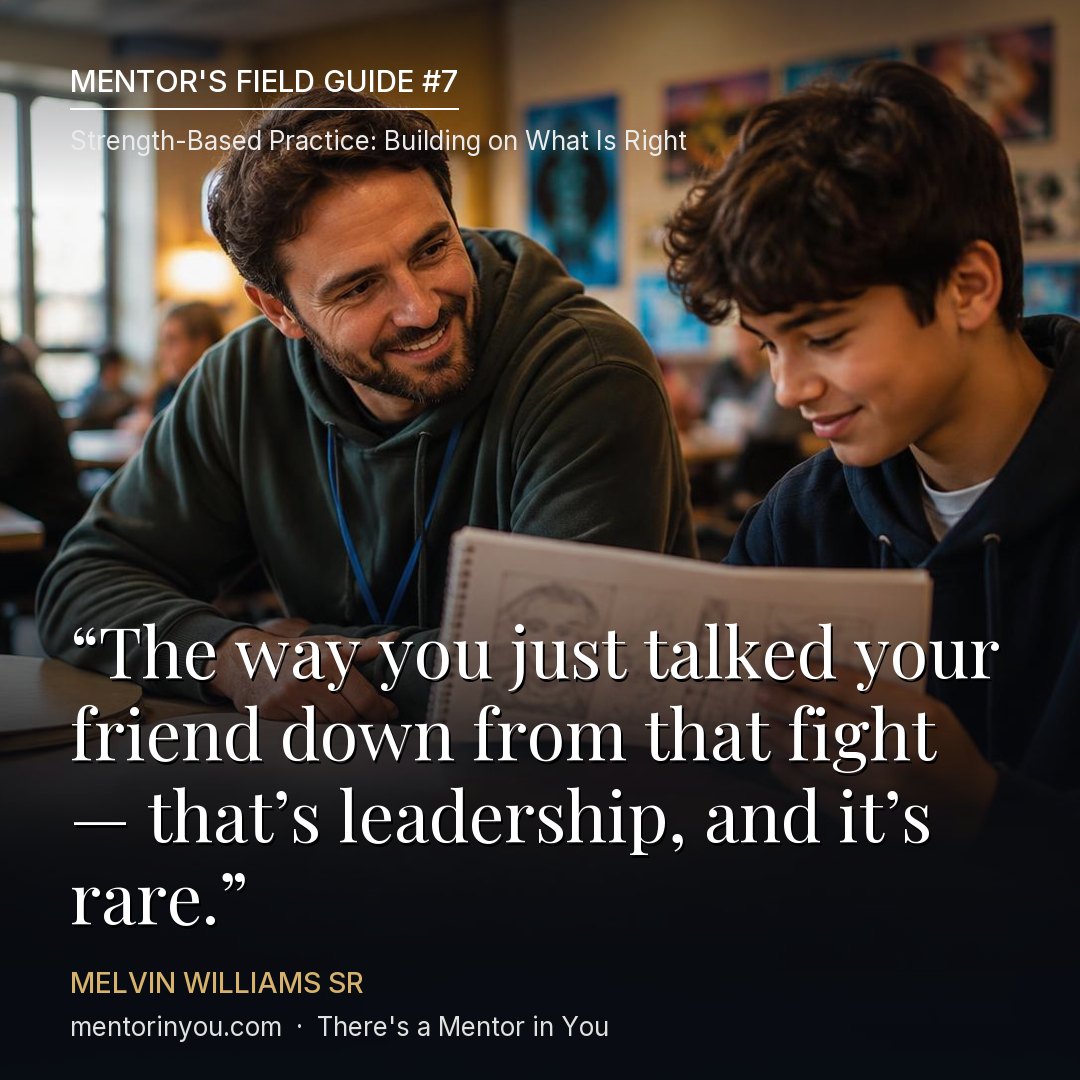
Strength-Based Practice: Building on What Is Right
Name the strengths a person already has, and build on what is right instead of only correcting what is wrong.

Trauma-Informed Mentorship
Behavior often carries a history. Shift the question you ask about the people you serve.
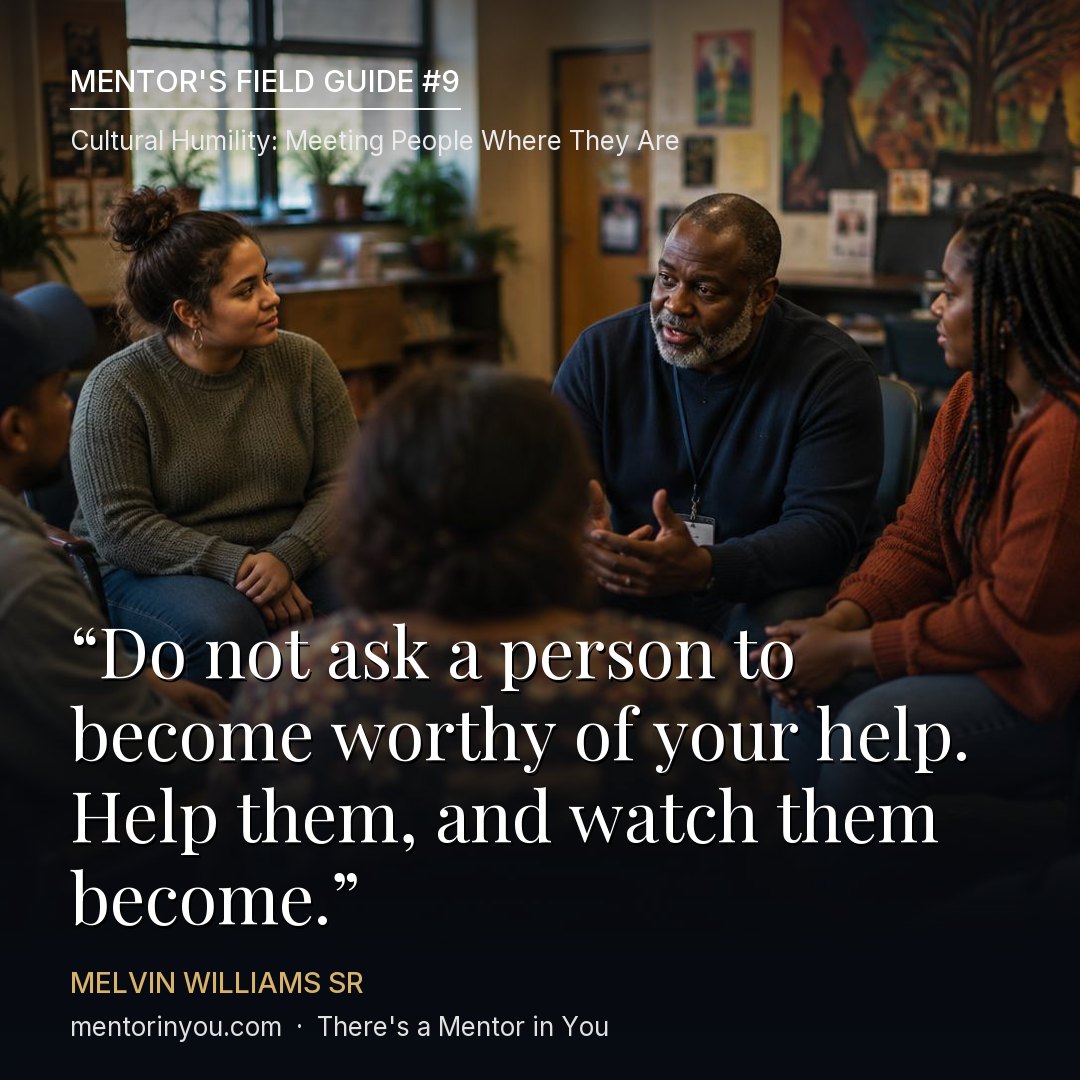
Cultural Humility: Meeting People Where They Are
Stay curious about each person’s culture, history, and context, and meet them where they are.

The Power of High Expectations
Pair warmth with high standards. Believing someone can do more is one of the deepest forms of care.
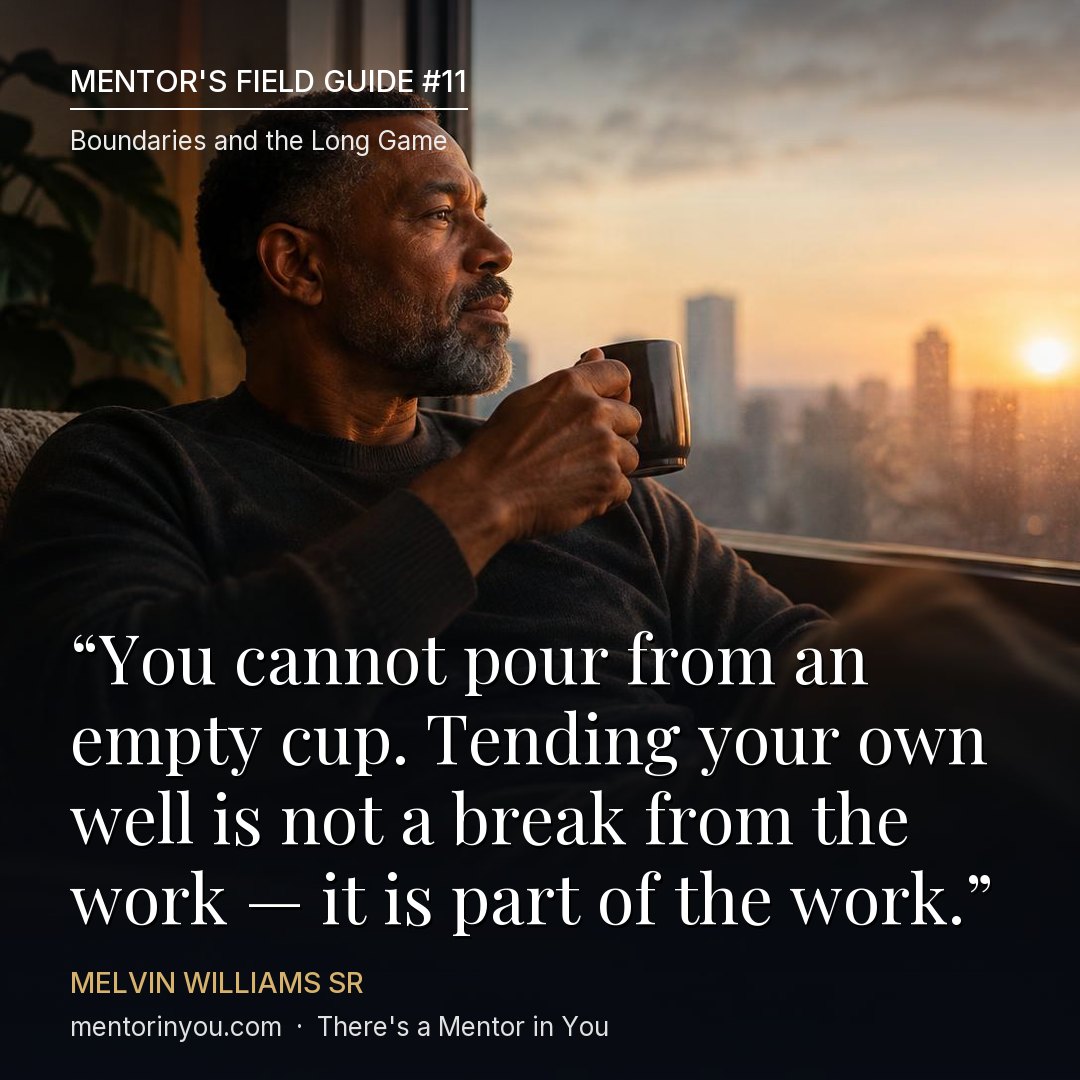
Boundaries and the Long Game
Healthy boundaries and self-care keep you in the work for the long haul.
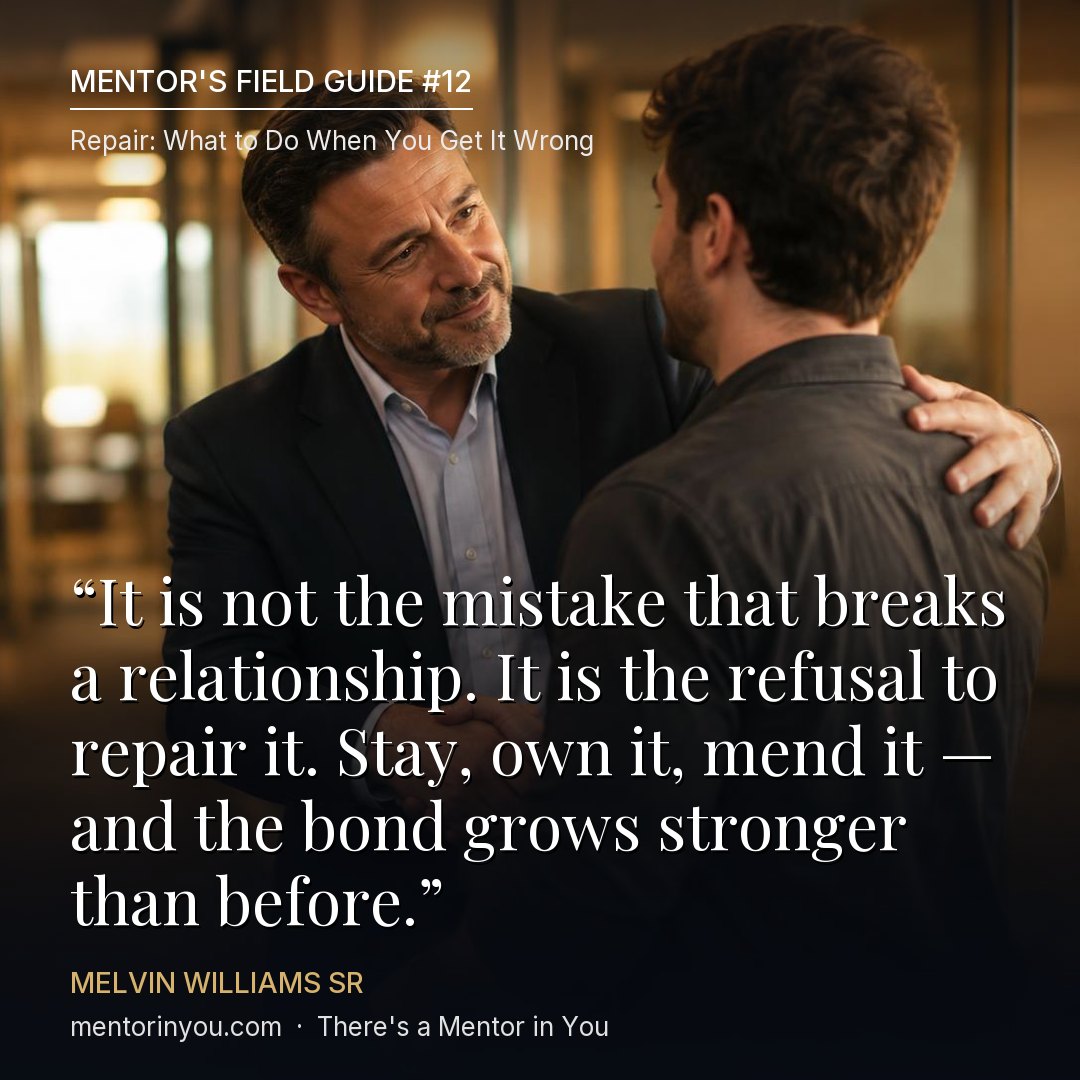
Repair: What to Do When You Get It Wrong
Every mentor makes mistakes. Own them quickly and come back.
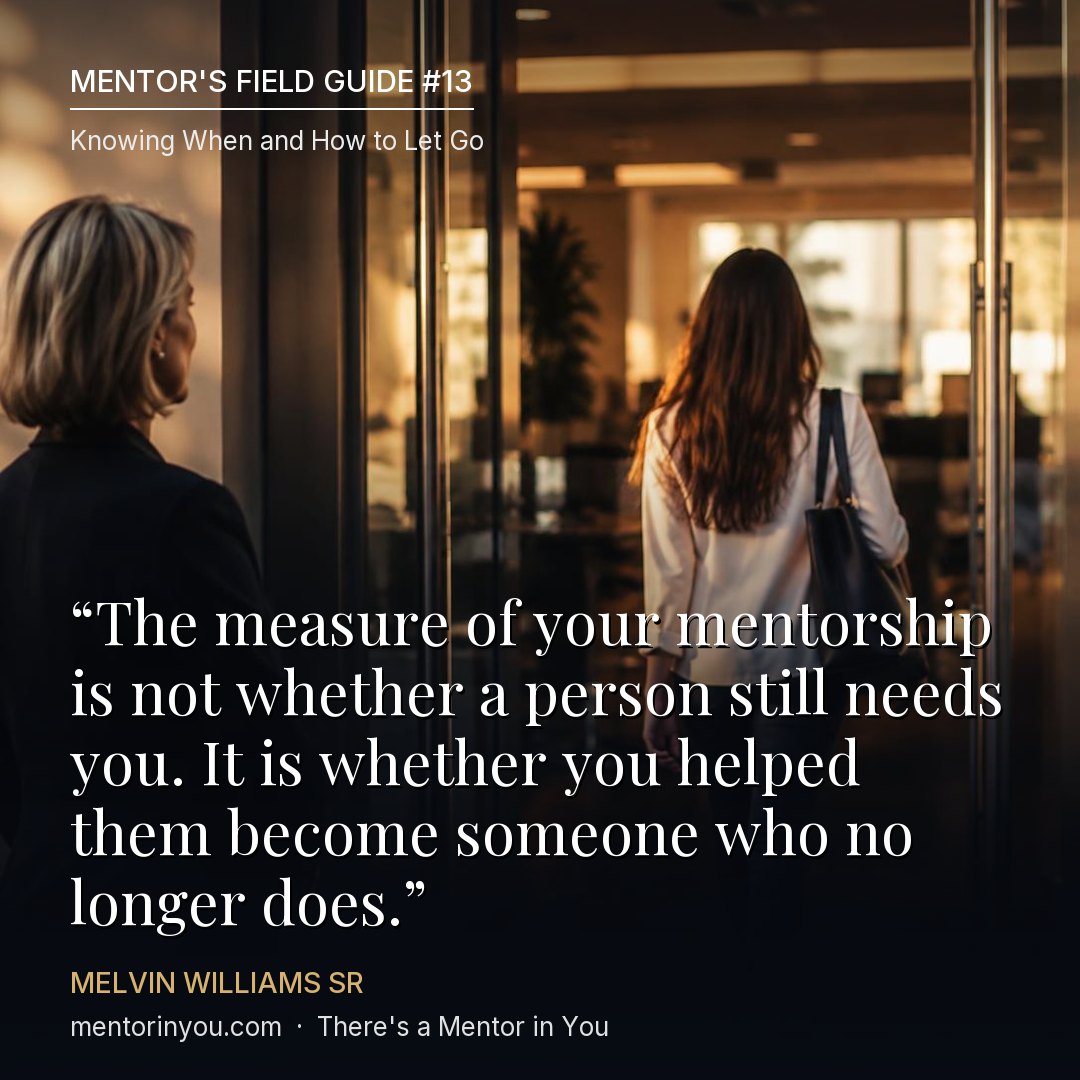
Knowing When and How to Let Go
The goal is independence. Close relationships with intention so the person carries the growth forward.

Measuring What Truly Matters
Track outcomes, but also notice the moments of belief, trust, and hope that numbers miss.

The Practice of Showing Up
Presence is the intervention. Keep coming back, especially when it is hard.

Modeling: Becoming What You Want Them to See
People learn more from how you live than from what you say.

The Multiplier: Growing the Next Mentor
Help the person you mentored become someone who mentors others.
Types of mentoring
- One-to-one mentoring
- One mentor, one mentee, on a recurring rhythm. The deepest form, and the one most youth programs are built around.
- Group mentoring
- One mentor with a small group. Lower intensity per person, but it builds a peer culture alongside the adult relationship.
- Peer mentoring
- Someone one or two steps ahead — an older student, a newer-but-not-new colleague. Credibility comes from proximity.
- Workplace and reverse mentoring
- Inside organizations, pairing across levels or functions. Reverse mentoring flips it so junior staff mentor senior leaders on what they are closest to.
- E-mentoring
- Conducted by video, text, or email. Widens access across distance; requires more deliberate structure to stay warm.
- Natural mentoring
- The unprogrammed kind: a teacher, counselor, coach, officer, nurse, or supervisor who takes lasting interest. Statistically the most common mentoring on earth.
If you are choosing between structured options, the guide to youth mentoring programs walks through what a good program asks of you and the questions to ask before you commit.
Mentorship vs coaching, sponsorship, and therapy
Coaching is bounded and performance-driven: a set agenda, a timeline, usually a fee. Sponsorship is advocacy — spending your own credibility to put someone in a room or a role. Therapy is clinical care delivered by a licensed professional. Mentorship overlaps all three and replaces none of them: it is the long, unhurried relationship that makes the others usable. The fuller comparison lives in mentor vs coach.
Why mentorship matters
A mentee gains something no program can hand out: evidence that they matter to someone who is not obligated to care. That evidence is what makes risk survivable — staying in school, applying anyway, asking for help, coming back after a failure. Mentors get the mirror version of it: their own story stops being wasted. And institutions change last but change most, because one professional choosing to believe changes one life, while a whole team choosing to believe changes an institution.
Mentorship in the workplace
Mentorship in the workplace is the same relationship applied inside an organization: a more experienced colleague sharing belief, perspective, and access so a teammate can grow into who they are becoming. It is why mentorship is important in the workplace — mentored employees stay longer, ramp up faster, raise problems earlier, and become the people you can promote. Managers should coach their own reports and mentor someone outside their reporting line, because evaluation and honesty compete. The full playbook, including the benefits of workplace mentoring and a 90-day rollout for building a mentoring culture, is in mentorship in the workplace: a guide for teams.
How to start this month
- Name one person already in your orbit — a student, a client, a newer colleague, a kid on your team.
- Pick a rhythm you can keep for twelve months, not the rhythm you wish you could keep.
- Make the first three meetings about nothing important. Trust is built on low-stakes reps.
- Say the belief out loud once, specifically. People cannot infer it.
- If you want structure, apply through a school, mentoring nonprofit, or faith community and let their screening and training carry you.
The step-by-step version is in how to become a mentor, and the 17-practice Mentor's Field Guide is the second half of There's a Mentor in You.
Frequently asked questions about mentorship
What is mentorship?
Mentorship is a sustained relationship in which one person shares belief, perspective, and access with another so that person can grow into who they are becoming. It is defined less by expertise than by consistency: a mentor shows up over time, listens more than they advise, and treats the other person as capable before the evidence is in.
What does a mentor actually do?
A mentor listens without rushing to fix, remembers details across conversations, names strengths the person cannot yet see, opens doors and makes introductions, tells the truth kindly when it matters, and keeps showing up on a predictable rhythm. Advice is a small part of the job; presence is most of it.
What is the difference between mentorship and coaching?
Coaching is bounded and performance-driven: a coach sets an agenda and works toward a defined outcome on a timeline, often paid. Mentorship is open-ended and relational: the mentee brings what matters, and the mentor lends belief, perspective, and access over months or years.
What are the main types of mentoring?
The common models are one-to-one mentoring, group mentoring (one mentor with several mentees), peer mentoring, team or reverse mentoring inside organizations, e-mentoring conducted online, and natural mentoring — the informal version that happens when a teacher, counselor, coach, or supervisor takes a lasting interest in someone.
Why is mentorship important?
Mentorship gives a person evidence that they matter to someone who is not obligated to care. That evidence is what makes risk tolerable: applying for the job, staying in school, asking for help, trying again after failure. Institutions feel it too — schools, agencies, and companies where belief is normal retain people longer.
Do I need to be an expert to be a mentor?
No. The most common reason people never mentor is believing they are not qualified. What a mentee needs is someone a few steps ahead who is honest about the path, not someone who has arrived. Everyday professionals — teachers, counselors, social workers, coaches, correctional officers, healthcare workers, faith leaders — are already mentoring whether they name it or not.
How do I become a mentor?
Start where you already are: pick one young person or newer colleague in your existing orbit, or apply to a vetted program through a school, mentoring nonprofit, or faith community. Commit to a fixed rhythm for twelve months, keep the first meetings low-stakes, and let trust set the pace.
How long should a mentoring relationship last?
Aim for at least a year. Research-informed program standards and practitioner experience both point the same direction: relationships that end in the first few months can do more harm than good, because a short exit repeats the abandonment many mentees have already lived. Plan for longevity, and if you must end it, end it explicitly and kindly.
What makes a good mentor?
Reliability first — being where you said you would be. Then curiosity instead of judgment, memory for the small details, honesty delivered with care, restraint about rescuing, and a refusal to let someone's worst chapter be read as the whole book.
Who is Melvin Williams Sr?
Melvin Williams Sr is the author of There's a Mentor in You, a keynote speaker on mentorship and belief-led leadership, CEO of M&N Communications, and founder of The Philadelphia Made Us Foundation. He combines lived experience, leadership, workforce development, mentorship, correctional education, and technology expertise, and teaches educators, counselors, social workers, coaches, correctional officers, healthcare workers, and community leaders how to do the same.
Bring this to your team
Melvin speaks to districts, counseling associations, juvenile justice and reentry organizations, healthcare systems, and leadership summits on mentorship and belief-led leadership.