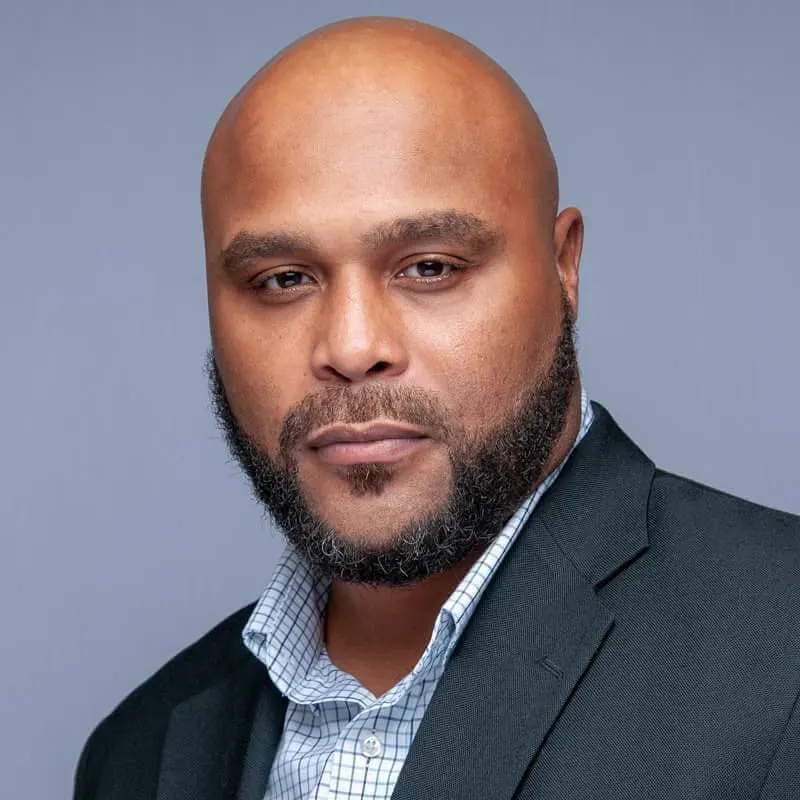
Author, keynote speaker, and Founder & CEO of The Philly Made Us Foundation
Last updated:
What is mentorship, and what does it look like in everyday life?
Mentorship begins with seeing a person, not just a problem to solve. Someone may need help weighing a decision, naming a strength, preparing for a responsibility, or trying again after a mistake. Your role is to stand beside that person while they learn, not stand above them with every answer.
A mentoring relationship needs shared expectations. Talk about what the person wants, what you can offer, how often you will connect, and what is outside your role. A clear agreement makes support easier to understand and gives both people a way to speak up when something is not working.
The work can look ordinary: listening without interrupting, helping someone prepare a question, or returning when you said you would. Those moments matter because they give your words something solid to stand on. Encouragement means more when your behavior matches it.
Mentorship can be formal, with screening, training, and scheduled meetings, or informal, within an appropriate existing relationship. Informal does not mean careless. Consent, privacy, age-appropriate boundaries, and respect still matter, especially when you have authority over the person you hope to support.
Not every helpful conversation becomes an ongoing mentoring relationship. Ask rather than assume that someone wants your guidance. Agree on a small starting point and revisit it together; a person should not have to accept your involvement as the price of receiving ordinary kindness.
“Every person who walks through your doors carries gifts that their circumstances may have buried.”
“The relationship is not the path to the work. The relationship is the work.”
“Trust is not given to you because of your title. It is earned, one kept promise at a time.”
Why can mentorship change a life?
Mentorship can change the choices a person sees as possible. When someone has been dismissed or defined by a mistake, a dependable relationship can offer a different experience: being heard, being challenged respectfully, and being treated as capable of growth. That is a meaningful place to begin, not a promise of a particular outcome.
Belief becomes useful when it turns into action. Help a person break a goal into manageable steps, think through consequences, and recognize progress they might overlook. Instead of saying only that they can do better, ask what better would look like this week and what support would make it possible.
A mentor can hold care and accountability together. You can name a harmful choice without making that choice the whole identity of the person who made it. You can say a commitment was missed, ask what got in the way, and agree on the next responsible step.
This is not rescue work, and you cannot guarantee a turnaround. A person may need safe housing, professional care, educational support, or other resources beyond your role. Help them connect with appropriate support rather than treating your relationship as a substitute for everything else.
Look for progress without making yourself its owner. Someone asking for help earlier, setting a boundary, or making a decision without your approval may be growing in an important way. The goal is greater agency, not gratitude to you or permanent dependence on your presence.
“People become what you believe they can be — so believe in more of them than they yet believe in themselves.”
“Do not ask a person to become worthy of your help. Help them, and watch them become.”
“The measure of your mentorship is not whether a person still needs you. It is whether you helped them become someone who no longer does.”
“Small acts of belief from others can alter a person's destiny.”
How is mentoring different from coaching and teaching?
Teaching usually centers on helping someone learn particular knowledge or skills. Coaching often centers on a defined goal, practice, and feedback. Mentoring centers on a continuing relationship that helps a person think about choices, responsibilities, and direction. These roles can overlap without becoming interchangeable.
A teacher might explain how to complete an assignment. A coach might help someone practice a presentation. A mentor might ask why speaking up feels difficult, help the person identify a next step, and check in afterward. These are examples of different functions, not strict job descriptions.
The important question is what the person needs from you right now. Sometimes they need a direct explanation. Sometimes they need a chance to practice. Sometimes they need you to stop offering solutions long enough to hear the concern beneath the question. Ask before deciding which kind of help fits.
Be especially clear when you hold more than one role. A supervisor who mentors still has workplace responsibilities; a teacher who mentors still has school obligations. Explain what you evaluate, what you must share, and where the person can find support outside your authority.
Mentoring is also not therapy, legal representation, or crisis care. Caring deeply does not give you qualifications you do not have. When a need exceeds your training, name that limit without shame and help the person identify an appropriate professional or designated support contact.
“You cannot reach a person you have not first heard. Listening is the doorway in.”
“Give a person the answer and you help them once. Ask the right question and you teach them to find answers for life.”
“Technique reaches the mind. Presence reaches the person. Bring both, and you can reach anyone.”
What makes someone a great mentor?
A great mentor is dependable before being impressive. Offer a schedule you can sustain, arrive prepared, and follow through on small commitments. If you cannot make a meeting, communicate through the agreed channel and arrange the next step. Do not make someone chase you for basic reliability.
Listening means allowing the other person to shape the conversation. Ask open questions, leave room for silence, and check your understanding before giving advice. You might ask what feels hardest, what they have already tried, or what kind of support would be useful today.
Humility matters because your experience is not a map of someone else's life. Be curious about differences in family, culture, beliefs, and circumstances. You can share a lesson from your own life without insisting that another person interpret their experience the same way.
Boundaries protect the relationship. Agree on contact times, approved communication methods, privacy limits, gifts, transportation, and any rules that apply to your setting. Do not build closeness through secrecy, special access, or promises that separate someone from other appropriate sources of support.
You will sometimes misunderstand or disappoint someone. Acknowledge what you did, listen to its effect, and explain what you will change. Repair does not require the other person to reassure you. It requires you to accept responsibility and make your next action more trustworthy.
Take care of your own capacity, too. Seek appropriate supervision or consultation without casually sharing private details. Rest, training, and honest limits are part of responsible mentoring. If you need to end the relationship, plan a clear transition rather than disappearing or staying resentfully involved.
“Trust is not given to you because of your title. It is earned, one kept promise at a time.”
“You cannot reach a person you have not first heard. Listening is the doorway in.”
“It is not the mistake that breaks a relationship. It is the refusal to repair it.”
“You cannot pour from an empty cup. Tending your own well is not a break from the work — it is part of the work.”
“The people you serve are studying you whether you intend it or not. Be worth studying.”
How do you mentor at-risk and justice-involved youth?
Start with the young person, not the label. At-risk and justice-involved describe circumstances or system involvement; they do not tell you everything about a person's interests, abilities, relationships, or hopes. Ask what matters to them and what they want adults to understand.
Before volunteering, look for a setting with clear screening, training, supervision, and youth-safety procedures. Understand the rules for caregiver involvement, communication, meetings, transportation, and reporting concerns. Do not bypass safeguards because you feel a connection or believe you can move faster alone.
Let trust develop without demanding disclosure. A young person does not owe you their history, legal details, or most painful memory to qualify for your attention. Begin with an agreed activity or a practical goal, and respect their choice not to discuss a subject.
With justice-involved youth, learn the limits of your role and the requirements of the setting. Do not offer legal advice, make promises about court decisions, or ask someone to violate conditions. Use approved channels to coordinate with responsible adults or professionals while respecting applicable privacy rules.
Keep accountability specific and respectful. Discuss what happened, who was affected, and what a responsible next step could be. Avoid threats, humiliation, and arguments about whether a young person deserves your care. You can maintain a firm limit without withdrawing basic respect.
If a meeting is missed or communication stops, follow the approved outreach process rather than assuming indifference. Ask about practical barriers when contact resumes. If access changes or the match must end, work with the designated coordinator on an appropriate transition; do not promise contact you cannot provide.
“Every person who walks through your doors carries gifts that their circumstances may have buried.”
“Trust is not given to you because of your title. It is earned, one kept promise at a time.”
“Do not ask a person to become worthy of your help. Help them, and watch them become.”
“A wounded warrior does not need you to fix everything. They need you to see them, to stay, and to refuse to let their worst chapter be the whole book.”
“Setbacks and mistakes do not have to define us.”
What does trauma-informed mentoring look like in practice?
Trauma-informed mentoring begins with a different question: "What happened to you?" instead of "What's wrong with you?" That shift invites understanding rather than blame. It is a way to guide your attitude, not permission to press someone for details about painful experiences.
Offer predictability, choice, and respectful explanations. Describe what a meeting will involve, ask whether a topic feels okay to discuss, and give reasonable options when you can. If plans must change, explain the change plainly rather than leaving the person to guess what happened.
Notice discomfort without diagnosing it. If someone becomes quiet, angry, or restless, slow down and ask what would help them participate safely. Do not assume you know the cause. Offer a pause or a different activity within the rules of your setting, and avoid turning distress into a public confrontation.
Explain confidentiality limits early in age-appropriate language. Never promise absolute secrecy. Know the reporting duties that apply to your role and location, and follow required procedures promptly; seek qualified guidance when uncertain without delaying required action. If there is immediate danger, use the appropriate emergency response.
If someone discloses harm, listen calmly and avoid conducting your own investigation. Do not promise an outcome or ask leading questions. Follow your setting's safeguarding process and applicable reporting requirements, and explain the next steps as clearly as you safely can.
Your steadiness can support someone, but mentoring does not replace trauma treatment. When needs exceed your role, help connect the person with qualified care through appropriate channels. Keep offering the support you are authorized and able to provide without presenting yourself as the person who can fix everything.
“The question that changes everything is not 'What is wrong with you?' It is 'What happened to you?'”
“You cannot reach a person you have not first heard. Listening is the doorway in.”
“Difficulty is information. The hardest people to reach are hard for a reason — and the reason is almost always pain.”
“You cannot pour from an empty cup. Tending your own well is not a break from the work — it is part of the work.”
How does mentorship work in the workplace?
Workplace mentorship gives people room to ask questions about responsibilities, judgment, and professional direction. Start by asking what the employee or colleague wants to learn. A useful goal might be preparing for a difficult conversation, understanding a process, or becoming more confident in a new responsibility.
Agree on a meeting rhythm and one or two priorities. Let the mentee help set the agenda, and end each conversation with a manageable next step. At the next meeting, ask what happened and what they learned instead of treating the action as a test of loyalty.
Be honest about power. If you influence assignments, pay, or evaluations, explain that role and its limits. Do not call a conversation confidential if workplace obligations prevent you from keeping it private. Make room for the person to seek a mentor outside their reporting line.
Offer feedback about observable behavior, not someone's worth or personality. Describe what you noticed, ask for their perspective, and discuss an alternative they can practice. Share how a process works without suggesting that your preferred style is the only acceptable way to succeed.
Keep access fair and professional. Mentorship should not depend on social closeness, unpaid personal favors, or availability outside working hours. Respect different responsibilities and communication needs. Support independence by helping the person build judgment and appropriate connections beyond you, rather than becoming the gatekeeper for every decision.
“You are not just doing a job. You are shaping the future of a human being.”
“Give a person the answer and you help them once. Ask the right question and you teach them to find answers for life.”
“The measure of your mentorship is not whether a person still needs you. It is whether you helped them become someone who no longer does.”
“The people you serve are studying you whether you intend it or not. Be worth studying.”
“One professional choosing to believe changes one life. A whole team choosing to believe changes an institution.”
How can you start mentoring this week?
Begin with an honest commitment, not a dramatic promise. Think about whom you are equipped to support, what time you can reliably offer, and where you need training. If you want to mentor young people, use an appropriate screening and matching process rather than seeking private access to a child.
Your first week can be preparation. You do not need to rush into a match to prove that you care. A careful start gives you a better chance of making a commitment you understand and keeping it when the initial excitement wears off.
- Choose a suitable setting. For youth mentoring, ask prospective organizations about screening, training, supervision, safety rules, and how matches begin and end. Confirm that they are actually accepting volunteers before making plans.
- Write down your availability. Include preparation and travel time, and choose a rhythm you can maintain. Be honest about upcoming changes that could interrupt the commitment.
- Learn the boundaries before offering help. Review communication rules, confidentiality limits, reporting responsibilities, and the process for asking a supervisor or coordinator for support.
- Ask what the person wants. In an approved first conversation, introduce your role, invite their questions, and agree on a small goal rather than arriving with a complete plan for their life.
- Practice listening without taking over. Ask an open question, summarize what you heard, and check whether the person wants ideas, practical assistance, or simply space to think.
- Make one realistic commitment and keep it. Confirm the next approved meeting or action, follow through, and review what worked. Let consistency grow before you expand your promises.
“Half of saving a life is simply refusing to leave. Show up, and keep showing up.”
“Trust is not given to you because of your title. It is earned, one kept promise at a time.”
“You cannot reach a person you have not first heard. Listening is the doorway in.”
“Every action, no matter how small, holds the potential to bring about significant change.”
“People are looking for mentorship around every corner.”
What does Melvin Williams Sr.'s story show about mentorship?
My name is Melvin Williams Sr. My father was killed by gun violence when I was 3. I was first arrested at 12, was in juvenile justice by 16, and was certified into adult court by 17. I had a mugshot at 17. I never returned to prison.
Officers, a judge, a behavioral health director, teachers, and coaches believed in me first. That belief is part of my story. I do not offer my life as a guarantee that another person will follow the same path. I offer it as proof that a difficult chapter does not have to be the whole story.
Today, I am the author of There's a Mentor in You and a keynote speaker. The Original Edition tells my story for individual readers. The Expanded Edition is a professional development resource that includes The Mentor's Field Guide with 17 practices for child care, education, counseling, social work, and human services professionals.
I am also Founder & CEO of The Philly Made Us Foundation in Blue Bell, PA. Its youth mentorship program for justice-impacted and at-risk youth is in development; it is not currently operating. That distinction matters because caring about a mission does not excuse overstating what exists.
What I ask of a mentor is not perfection or a promise to change every life. See the person, respect the boundaries, and keep the commitment you make. You may not know what your presence will mean. You can still choose to make your next interaction honest, patient, and worthy of trust.
“The people you serve are not looking for a flawless professional. They are looking for proof that it is possible to struggle and still rise.”
“I am living proof of the power of mentorship.”
“I was that kid who needed someone to believe in me.”
“Setbacks and mistakes do not have to define us.”
“Somewhere in America there is a kid looking for mentorship from you.”
Which book should you read next?
The Original Edition tells Melvin's story and is written for anyone who wants to believe in a young person.
Get the Original Edition (The Story)The Expanded Edition includes The Mentor's Field Guide and is written for professionals in child care, education, counseling, social work, and human services.
Get the Expanded Edition (The Practice)Bring this message to your team
Discuss your audience, date, and format with Melvin Williams Sr., or request bulk book pricing for staff reading.