Author, keynote speaker, and Founder & CEO of The Philly Made Us Foundation
Last updated:
What should you understand before mentoring justice-involved youth?
Justice involvement is part of a person's circumstances, not a complete description of who they are. A young person may be navigating detention, court requirements, community supervision, or a return home, and each setting brings different rules.
Do not assume that you know their legal status, what happened, or how they feel about it. Learn the information necessary for your role through authorized channels, and avoid asking for details simply because you are curious.
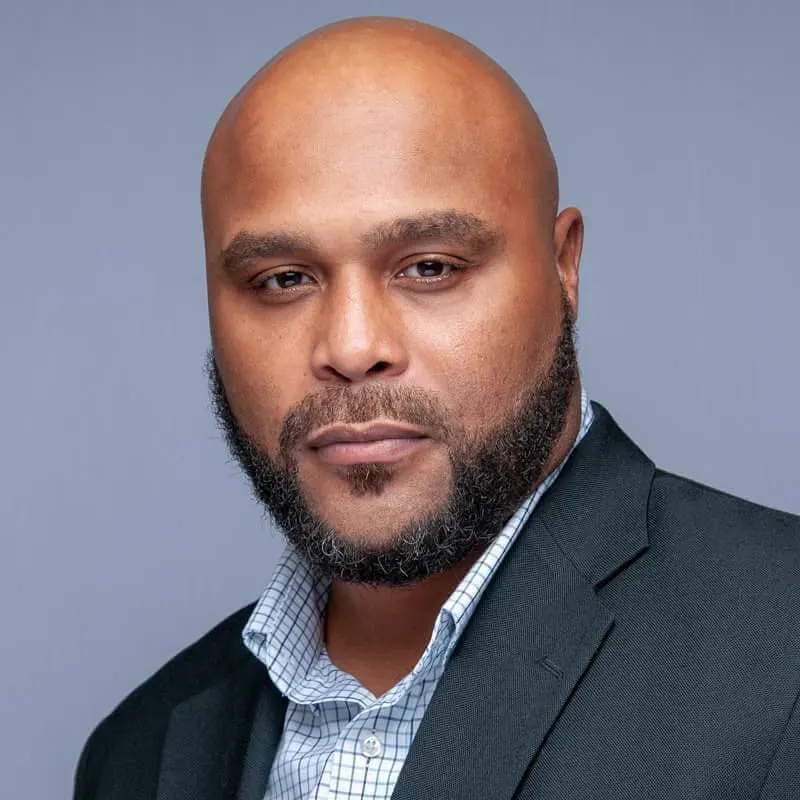
I am Melvin Williams Sr. I was first arrested at twelve, in juvenile justice by sixteen, and certified into adult court by seventeen; I had a mugshot at seventeen. I never returned to prison, and I do not offer those facts as a promise about someone else's path.
Officers, a judge, a behavioral health director, teachers, and coaches believed in me first. That is the spirit I bring to mentorship: see a person's possibilities while taking your responsibilities seriously.
“Every person who walks through your doors carries gifts that their circumstances may have buried.”
“Setbacks and mistakes do not have to define us.”
How do you build trust without ignoring accountability?
You do not have to choose between respect and accountability. A young person can be responsible for a choice and still deserve patience, safety, and an adult who does not treat their hardest chapter as their whole identity.
Explain your role clearly, including whether you have any reporting responsibilities to staff or supervising authorities. Never present yourself as a private confidant if the structure of the relationship requires you to share certain information.
Ask questions that open a next step rather than demand a confession. What do you want to handle differently this week? What might get in the way? Who can help you understand what is expected?
Keep your own commitments visible. Arrive when agreed, bring what you promised, and acknowledge mistakes directly. You cannot reasonably ask someone to practice responsibility while treating your own follow-through as optional.
“Trust is not given to you because of your title. It is earned, one kept promise at a time.”
“The people you serve are studying you whether you intend it or not. Be worth studying.”
What boundaries matter in detention or supervised settings?
Before meeting, learn the setting's requirements for screening, access, approved materials, communication, physical contact, and emergency response. Ask a supervisor to explain anything unclear instead of relying on what seems reasonable in another environment.
Do not carry messages, accept private packages, lend an account, or arrange outside contact that bypasses the rules. You can decline a request calmly without humiliating the young person or turning the refusal into a lecture.
Explain privacy in concrete terms. Say what you record, who may receive information, and what safety concerns require action. Never promise that conversations cannot become part of an official process when you cannot control that outcome.
Follow applicable mandated reporting duties and local procedures if abuse or serious danger is disclosed. Do not conduct your own investigation or ask the young person to repeat painful details for your understanding; seek the appropriate professional response.
- Confirm what contact is allowed before and after a transition.
- Use only approved channels for messages and scheduling.
- Ask staff how to respond to urgent concerns before one arises.
- Keep notes factual, limited, and stored according to policy.
How can you support a young person's return to the community?
Start with what the young person and responsible team identify as immediate priorities. Returning home may involve several appointments and expectations; a mentor can help organize questions without claiming authority over the plan.
Break practical tasks into small steps. Together, list what needs clarification about school enrollment, identification, transportation, or employment preparation, and identify which qualified person or office can give an accurate answer.
Check what is permitted before offering a ride, accompanying someone to an appointment, or contacting another adult. Support should fit consent requirements, court conditions, program policy, and your actual capacity rather than depend on informal exceptions.
Avoid promising that homecoming will feel easy or that motivation will remove every barrier. Ask which part feels most uncertain and choose one manageable action, while leaving legal interpretation and treatment planning to qualified professionals.
“Give a person the answer and you help them once. Ask the right question and you teach them to find answers for life.”
“Every action, no matter how small, holds the potential to bring about significant change.”
How do you coordinate with caregivers and professionals respectfully?
Find out who is responsible for which decisions. Caregivers, educators, legal representatives, caseworkers, and treatment professionals may have different roles; mentoring should not become an unofficial channel for changing a plan you do not oversee.
Explain proposed communication to the young person when appropriate and obtain required permissions. Share only information that is authorized and needed for your role, rather than circulating personal details because a team is involved.
Keep observations separate from interpretations. Saying that a meeting was missed is different from describing a young person as unmotivated; the first gives others usable information, while the second may hide questions that still need asking.
When adults disagree, do not recruit the young person into taking sides. Raise concerns through the proper process, ask for clarification, and keep your own promises realistic while the responsible people work through the issue.
“One professional choosing to believe changes one life. A whole team choosing to believe changes an institution.”
What should you do after a setback or a broken agreement?
Begin with safety and the facts you actually know. A missed appointment, an argument, or new justice involvement may require different responses; do not treat them as the same event or rely on rumors.
Ask what happened without making the conversation an interrogation. You can help the young person identify a choice they regret, a barrier they faced, and a person they need to contact without deciding legal consequences yourself.
If your own actions contributed to a rupture, take responsibility. An apology should identify what you did and what will change, not explain why the young person should stop being upset.
Stay within the relationship's approved limits. If contact must pause or move to another setting, clarify the process with responsible staff and communicate what you can honestly promise instead of offering unlimited access.
“It is not the mistake that breaks a relationship. It is the refusal to repair it.”
“A wounded warrior does not need you to fix everything. They need you to see them, to stay, and to refuse to let their worst chapter be the whole book.”
How can you offer hope without making promises you cannot keep?
Hope can be practical. Help someone prepare a question, practice introducing themselves, or notice a strength they used during a hard week; you do not need to guarantee a job, a court outcome, or a smooth future.
Avoid presenting your story as a formula. Even when you recognize parts of your experience, the young person's circumstances and choices are their own, and they do not owe you a matching outcome.
My book, There's a Mentor in You, Original Edition, tells my story for individual readers. It can support reflection on belief and responsibility, but it is not legal guidance or a replacement for setting-specific mentor training.
Prepare for transitions and endings from the beginning. Explain how long the commitment lasts, revisit the plan when circumstances change, and help identify continuing supports without implying that independence means having no need for others.
“The measure of your mentorship is not whether a person still needs you. It is whether you helped them become someone who no longer does.”
“I am living proof of the power of mentorship.”
Which book should you read next?
The Original Edition tells Melvin's story and is written for anyone who wants to believe in a young person.
Get the Original Edition (The Story)Bring this message to your team
Discuss your audience, date, and format with Melvin Williams Sr., or request bulk book pricing for staff reading.