Author, keynote speaker, and Founder & CEO of The Philly Made Us Foundation
Last updated:
What does mentoring at-risk youth actually mean?
The phrase at-risk describes circumstances, not a young person's identity or future. A teenager may face unstable housing, school difficulties, family stress, or contact with the justice system, but none of those things tells you everything about that teenager.
Your work is to become a trustworthy adult who notices strengths and helps make the next step possible. You are not taking over as a parent, acting as a therapist, or promising to remove every obstacle.
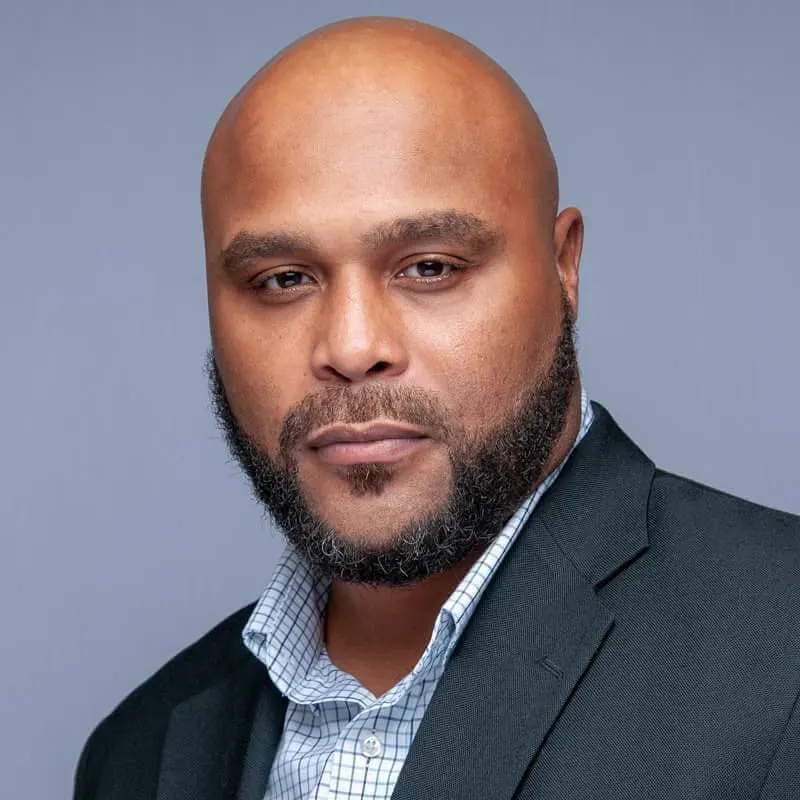
I am Melvin Williams Sr. My father was killed by gun violence when I was three, I was first arrested at twelve, and I was in juvenile justice by sixteen. Those facts belong to my story; they are not a script for anyone else's life.
Begin with curiosity about the person in front of you. Ask what they enjoy, what matters to them, and what they would like an adult to understand before you start talking about problems.
“Every person who walks through your doors carries gifts that their circumstances may have buried.”
“I was that kid who needed someone to believe in me.”
How do you mentor a teenager who doesn't trust adults?
Do not make trust the price of your attention. A teenager can be quiet, skeptical, or uncertain and still deserve a respectful conversation. You can offer reliability without asking them to believe in you immediately.
Start with promises small enough to keep. If you say you will bring information next Tuesday, bring it next Tuesday; if plans change, communicate through approved channels as early as possible.
Let the young person decide how much to share. A conversation about music, an assignment, or a practical task can be worthwhile without becoming a discussion of their hardest experiences.
When you make a mistake, name it plainly: I said I would call, and I did not. Explain what you will do differently without asking the teenager to comfort you or accept your apology on demand.
“Trust is not given to you because of your title. It is earned, one kept promise at a time.”
“It is not the mistake that breaks a relationship. It is the refusal to repair it.”
What should you do during the first few meetings?
Explain your role before asking personal questions. Describe where meetings happen, how scheduling works, which communication channels are allowed, and who supervises the relationship. Use language the young person can understand and invite questions.
Ask what would make the time useful to them. They might want help organizing schoolwork, exploring a job interest, or simply having a predictable conversation; you do not need an impressive project to begin.
Offer a little structure without turning the meeting into an interview. A check-in, a shared activity, and a brief conversation about next time can give both of you something clear to expect.
Coordinate with caregivers and responsible staff according to the setting's rules and the young person's circumstances. Do not assume every family arrangement is the same, and do not make private agreements that bypass required consent or supervision.
- Confirm the meeting place, time, and approved contact method.
- Explain privacy and the situations that require sharing safety concerns.
- Ask about an interest, a strength, and one thing they want help with.
- End by agreeing on one realistic next step.
How can you support goals without taking control?
A useful goal belongs to the young person, even when adults help shape it. Instead of announcing that they need to improve their attitude, ask what part of the week they would like to go differently.
Make the next action concrete and manageable. Preparing one question for a teacher or listing the documents needed for a job application gives you something to work on together without demanding a complete life plan.
Ask permission before offering advice. You might ask whether they want ideas, help practicing a conversation, or someone to listen while they think. Their answer can keep your support from becoming another adult lecture.
Notice effort specifically and honestly. Recognize that they asked for help, tried a different approach, or returned after a difficult meeting, rather than offering praise that sounds disconnected from what actually happened.
“Give a person the answer and you help them once. Ask the right question and you teach them to find answers for life.”
“The measure of your mentorship is not whether a person still needs you. It is whether you helped them become someone who no longer does.”
What should you do when a young person pulls away?
A missed meeting is a reason to check the agreed process, not proof that the young person does not care. Transportation, competing responsibilities, embarrassment, or a changed schedule may be involved; ask rather than decide for them.
Reach out through the approved channel and leave room for a reply. State that you noticed the missed meeting, ask whether they want to reschedule, and avoid messages designed to make them feel guilty.
If behavior crosses a boundary, address the behavior without attacking the person. You can say that threats are not acceptable, pause the activity, and follow safety procedures while still treating the teenager with dignity.
Steadiness does not mean staying in an unsafe situation or ignoring program rules. Ask a supervisor for help when contact repeatedly breaks down, and make any transition clear rather than disappearing without explanation.
“Half of saving a life is simply refusing to leave. Show up, and keep showing up.”
“Difficulty is information. The hardest people to reach are hard for a reason — and the reason is almost always pain.”
Which boundaries protect both the mentor and the young person?
Boundaries are part of care, not evidence that you care less. Follow the setting's rules for transportation, gifts, physical contact, social media, money, and meetings outside scheduled hours; do not create special exceptions to prove loyalty.
Never promise absolute secrecy. Explain that you will respect privacy but may need to share information when someone is unsafe or when reporting duties require it. Learn the applicable law and the setting's safeguarding procedures before mentoring begins.
If you suspect abuse or another serious safety concern, follow applicable reporting requirements promptly. Consultation can support your response, but it does not replace a report you are legally required to make; do not investigate the concern yourself.
When needs involve treatment, housing, legal questions, or urgent protection, help connect the young person with the appropriate qualified support. Your relationship can remain valuable without turning you into the answer to every problem.
“You cannot pour from an empty cup. Tending your own well is not a break from the work — it is part of the work.”
“The people you serve are studying you whether you intend it or not. Be worth studying.”
How do you prepare for a mentoring relationship that lasts?
Choose a commitment you can actually sustain. Think about work, family responsibilities, travel, and emotional capacity before agreeing to a schedule, because enthusiasm is not a substitute for availability.
Use training and supervision to reflect on your reactions. If you feel driven to rescue, prove yourself, or demand gratitude, pause and bring that concern to the right adult support rather than making the teenager responsible for it.
Plan endings as carefully as beginnings. Give notice when possible, review what the young person wants to carry forward, and clarify which supports remain available without promising contact you cannot maintain.
My book, There's a Mentor in You, Original Edition, shares my story for individuals considering the power of mentorship. Read it as an invitation to examine your own consistency, not as a substitute for screening, training, or safeguarding requirements.
Which book should you read next?
The Original Edition tells Melvin's story and is written for anyone who wants to believe in a young person.
Get the Original Edition (The Story)Bring this message to your team
Discuss your audience, date, and format with Melvin Williams Sr., or request bulk book pricing for staff reading.