Author, keynote speaker, and Founder & CEO of The Philly Made Us Foundation
Last updated:
What does being a mentor actually require?
You do not need a flawless life or a speech that changes someone in an afternoon. You need a willingness to listen, an honest view of your limits, and enough consistency for another person to know what to expect.
Mentoring is a relationship with a purpose, not ownership of someone else's choices. You can offer perspective, help someone practice a skill, and ask useful questions without becoming their parent, therapist, employer, or emergency service.
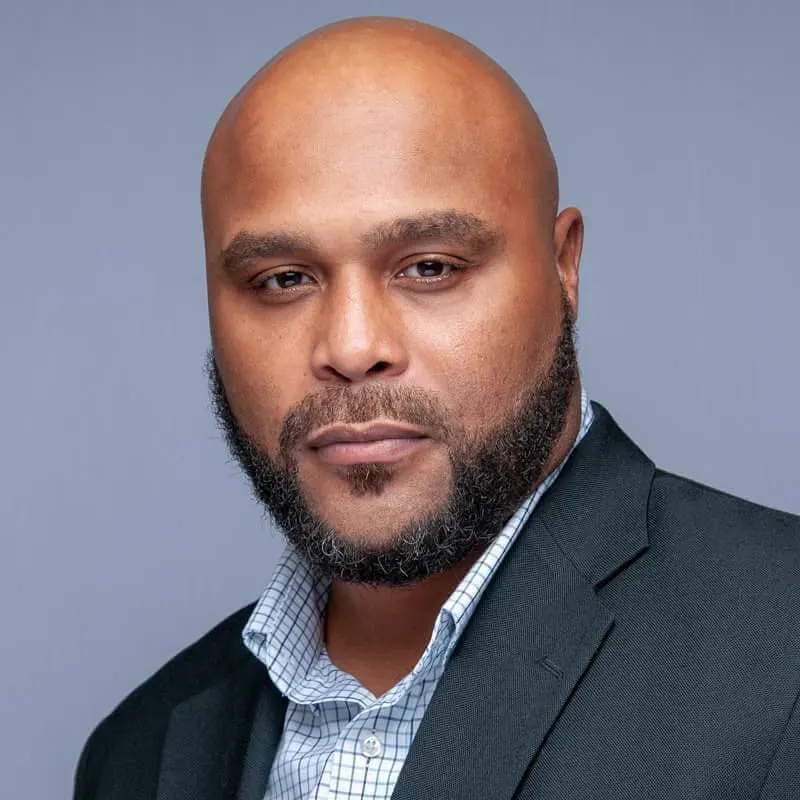
I am Melvin Williams Sr. Officers, a judge, a behavioral health director, teachers, and coaches believed in me first. Their belief is part of why I ask adults to take their presence seriously rather than assume they have nothing to offer.
Start by asking whether you can be reliable when the relationship is quiet, uncertain, or less rewarding than you imagined. Someone else's growth should not have to entertain you or confirm that you are a good person.
“The relationship is not the path to the work. The relationship is the work.”
“The people you serve are not looking for a flawless professional. They are looking for proof that it is possible to struggle and still rise.”
How do you choose the right mentoring role?
Think about whom you are prepared to support and in what setting. Mentoring a young person through a supervised arrangement carries different responsibilities from helping an adult colleague learn workplace skills; neither should begin with unclear expectations.
Consider your actual schedule, transportation, communication habits, and comfort with the role's requirements. Choose a commitment that fits an ordinary difficult week, not only the week when you feel inspired and have extra time.
Ask prospective coordinators how matching works, who provides supervision, what happens when a concern arises, and how relationships end. Clear answers matter more than a request to start immediately because help is needed.
If a role does not fit, say so before someone starts depending on you. Taking a smaller, well-defined commitment is more responsible than accepting a relationship you already suspect you cannot sustain.
- Identify the age group and setting you are prepared to support.
- Write down the time you can reliably offer.
- Ask about screening, training, supervision, and safety procedures.
- Confirm the expected duration and the process for ending or changing roles.
What screening and training should you expect?
Requirements vary by role, location, and setting. A mentoring opportunity may involve an application, interviews, references, background checks, orientation, or other suitability requirements; ask what applies instead of assuming previous experience creates an exemption.
Treat screening as part of protecting people, not as an insult to your intentions. Answer honestly, ask questions about the process, and do not begin informal contact while waiting for authorization.
Training should help you understand your responsibilities, approved communication, privacy limits, boundaries, and the response to safety concerns. If those topics are missing, ask for clear procedures before meeting independently.
Know where to take questions after orientation ends. A supervisor or designated coordinator should be able to help you think through uncertainty, and you should know how to reach appropriate assistance when that person is unavailable.
“The people you serve are studying you whether you intend it or not. Be worth studying.”
“It is our duty as adults to understand the power we hold.”
How should you prepare for your first meeting?
Arrive with a simple plan rather than a personal improvement agenda for someone you have not met. Review the setting's rules, confirm logistics, and choose a few questions about interests and expectations.
Introduce yourself briefly and explain what your role includes. Say how often you expect to meet, how contact works, and what information you may need to share with responsible staff or others under the applicable rules.
Ask what the other person would like the relationship to help with. If they do not know, offer a few modest possibilities without forcing a decision; learning what they do not want can also help you plan respectfully.
Close by agreeing on the next contact and one manageable action, if appropriate. Do not mistake a quiet first meeting for failure or fill every pause with advice intended to prove your usefulness.
“You cannot reach a person you have not first heard. Listening is the doorway in.”
“Give a person the answer and you help them once. Ask the right question and you teach them to find answers for life.”
How do you set goals without becoming a rescuer?
Ask what progress would look like to the person you are mentoring. Your idea of success may not match theirs, and understanding that difference early is better than silently steering every meeting toward your preferred outcome.
Choose a next step small enough to attempt before the following meeting. You might help prepare questions, practice a conversation, or organize a task; do the thinking with the person rather than taking over every difficult part.
Ask before giving advice and make room for disagreement. A mentor can offer an option and explain a concern, but the relationship should not require the other person to copy your choices to keep your respect.
When a need exceeds your role, help identify the right resource. Taking on legal, financial, clinical, or emergency responsibilities you are not qualified to manage is not a deeper form of commitment.
“Do not ask a person to become worthy of your help. Help them, and watch them become.”
“The measure of your mentorship is not whether a person still needs you. It is whether you helped them become someone who no longer does.”
Which boundaries should a new mentor establish immediately?
Use the setting's rules for gifts, money, transportation, meetings, physical contact, and digital communication. If there is no clear policy for a situation, ask the responsible coordinator instead of privately creating an exception.
Explain that respecting privacy does not mean keeping every secret. Learn your applicable reporting obligations and safety procedures, especially when mentoring minors or people in vulnerable circumstances, and describe those limits in language the person understands.
If someone reports abuse or immediate danger, follow the relevant reporting or emergency process promptly. Do not investigate, promise a particular outcome, or assume that telling a supervisor always satisfies a legal duty to report.
Set honest availability limits and identify what support is available outside meetings. Do not offer constant access that you will later withdraw, and do not position yourself as the only person someone should trust.
“Trust is not given to you because of your title. It is earned, one kept promise at a time.”
“You cannot pour from an empty cup. Tending your own well is not a break from the work — it is part of the work.”
How do you keep learning after you become a mentor?
Ask periodically what feels useful and what could change. Listen without defending every decision, and be willing to adjust meeting structure, questions, or goals when the change fits the role and safety requirements.
Bring uncertainty to supervision before it becomes a private crisis. If you feel unusually protective, frustrated, or dependent on being needed, examine those feelings with an appropriate adult support rather than putting them on the person you mentor.
Plan a respectful ending when the commitment concludes. Give notice where possible, review what the person wants to carry forward, and clarify future contact instead of letting the relationship fade through unanswered messages.
My book, There's a Mentor in You, Original Edition, shares my story for individuals reflecting on mentorship. Use that reflection to strengthen your readiness, while remembering that a book does not replace the screening, training, and supervision your role requires.
“It is not the mistake that breaks a relationship. It is the refusal to repair it.”
“The measure of your mentorship is not whether a person still needs you. It is whether you helped them become someone who no longer does.”
Which book should you read next?
The Original Edition tells Melvin's story and is written for anyone who wants to believe in a young person.
Get the Original Edition (The Story)Bring this message to your team
Discuss your audience, date, and format with Melvin Williams Sr., or request bulk book pricing for staff reading.