Author, keynote speaker, and Founder & CEO of The Philly Made Us Foundation
Last updated:
What does trauma-informed mentoring ask of you?
Start by accepting that you may not know what someone has lived through. You do not need a full personal history to speak respectfully, explain what will happen next, and avoid using shame as a tool.
A trauma-informed approach is not a diagnosis or a promise that every interaction will feel comfortable. It is a way of paying attention to safety, choice, dignity, and your own use of authority within the mentoring relationship.
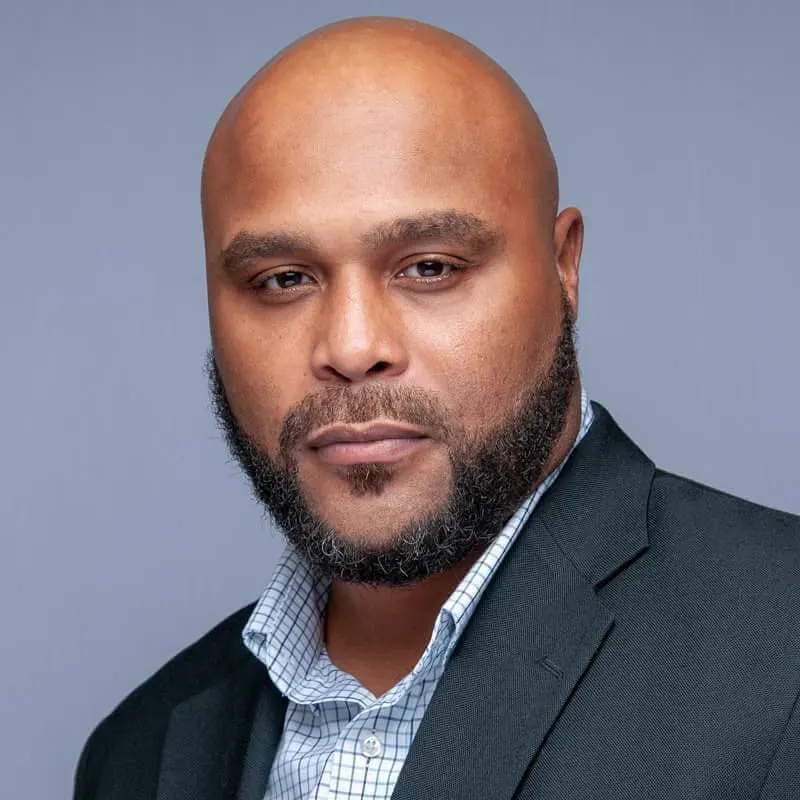
I am Melvin Williams Sr. My father was killed by gun violence when I was three, and adults later believed in me before I could see all that was possible for myself. I share that background without assuming it explains anyone else's experience.
Let the person remain more than their pain. Ask about interests, abilities, relationships, and hopes as well as practical needs; a mentoring relationship should leave room for ordinary conversation and moments that are not about hardship.
“Every person who walks through your doors carries gifts that their circumstances may have buried.”
“You cannot reach a person you have not first heard. Listening is the doorway in.”
How do you create predictability without becoming rigid?
Explain the basic shape of your time together. Say where you will meet, how long the meeting lasts, what activities are available, and how either of you can ask for a pause or clarification.
Be clear about your role and its limits before a difficult moment arrives. A person should not have to guess whether you are evaluating them, reporting to someone else, or available between meetings.
When plans change, provide notice whenever possible and offer the choices that genuinely exist. Do not describe something as optional if the person will be penalized for declining it; honest limits are more respectful than a false choice.
Consistency does not require repeating an approach that is not working. Ask whether a quieter location, a clearer agenda, or a different activity would help, and make adjustments that fit safety requirements and your responsibilities.
“Trust is not given to you because of your title. It is earned, one kept promise at a time.”
“The people you serve are studying you whether you intend it or not. Be worth studying.”
How can you listen without asking someone to relive painful events?
You can ask what would help today without asking for the whole history behind it. Let the person choose the depth of the conversation, and do not treat disclosure as proof that your mentoring is successful.
If someone begins sharing a painful experience, listen without pressing for detail or trying to find a lesson immediately. Acknowledge what they have chosen to tell you and ask what kind of support they want in that moment.
Avoid questions that sound like blame, including why they did not leave, report, or act differently. Your task is not to cross-examine a memory or determine whether their response meets your expectations.
Do not turn the conversation toward your own suffering to show that you understand. A brief, relevant acknowledgment may be enough; leave room for their experience to remain theirs and accept that silence may be useful.
“The question that changes everything is not 'What is wrong with you?' It is 'What happened to you?'”
“You cannot reach a person you have not first heard. Listening is the doorway in.”
What should you do when someone becomes overwhelmed?
First notice what is happening without assigning a diagnosis. Someone may become quiet, tearful, agitated, or eager to leave for many reasons; ask what they need rather than telling them what their behavior means.
Use a calm voice, reduce demands, and offer simple choices that are safe in the setting. You might offer to pause the conversation, sit somewhere quieter if permitted, or contact an approved support person.
Do not touch someone without consent or insist that they follow a calming exercise. Avoid blocking an exit or escalating a power struggle; follow the setting's safety procedures and call trained assistance when needed.
If there is immediate danger, use the local emergency response process rather than trying to manage it through mentoring alone. After the situation is stable, consult the appropriate supervisor and discuss future meeting adjustments without demanding an explanation of the person's history.
- Pause the activity and keep your language simple.
- Ask whether the person wants space, a break, or approved support.
- Follow emergency procedures when safety is at immediate risk.
- Record only necessary facts using the setting's documentation rules.
Where is the line between mentoring and therapy?
A mentor can listen, support everyday goals, and help someone prepare to ask for professional assistance. Mentoring does not authorize you to diagnose a condition, process traumatic memories, or prescribe a treatment plan.
Even if you hold a clinical qualification elsewhere, be clear about the role you have in this relationship. Follow the professional and organizational requirements that govern any change in role instead of letting treatment emerge informally.
When concerns exceed your competence, name the limit respectfully. You can explain that the person deserves support from someone trained for that need and ask how to help them reach the appropriate service.
A referral should not sound like rejection or a guarantee of access. Explain what you can continue to offer, clarify any urgent next steps, and use authorized follow-up rather than assuming that handing over a phone number resolves the concern.
“Do not ask a person to become worthy of your help. Help them, and watch them become.”
“A wounded warrior does not need you to fix everything. They need you to see them, to stay, and to refuse to let their worst chapter be the whole book.”
How do privacy and reporting duties fit into safe mentoring?
Explain confidentiality limits early, using plain language rather than a vague promise to keep everything between you. Describe the kinds of safety concerns you may have to share and who is responsible for responding.
Learn the law and safeguarding procedures that apply to your role and location. If a report is legally required, consultation does not replace that duty; do not wait for permission that the law does not require.
If someone discloses possible abuse, do not investigate or promise a particular outcome. Listen, gather only what your reporting process requires, and follow the appropriate procedure promptly while preserving privacy as far as your duties allow.
Keep personal information out of casual conversations, public examples, and social media. Good intentions do not make another person's story yours to share, and changing a name may not be enough to protect their identity.
“It is our duty as adults to understand the power we hold.”
How do you repair mistakes and protect your own capacity?
You may interrupt, misunderstand, or make an assumption that harms the relationship. Acknowledge the specific action, listen to its impact if the person wants to explain, and change what you can without asking for immediate forgiveness.
Use supervision to examine patterns in your own responses. Feeling helpless, defensive, or responsible for every outcome is a reason to seek support, not a reason to demand more disclosure or gratitude from the person you mentor.
Protect rest, reasonable availability, and clear endings. Being dependable is not the same as being reachable at every hour, and a plan that exhausts you may become a promise you cannot sustain.
There's a Mentor in You, Expanded Edition, is my professional development resource for child care, education, counseling, social work, and human services professionals. It includes The Mentor's Field Guide with seventeen practices; use it alongside, not instead of, required professional training and supervision.
“It is not the mistake that breaks a relationship. It is the refusal to repair it.”
“You cannot pour from an empty cup. Tending your own well is not a break from the work — it is part of the work.”
Which book should you read next?
The Expanded Edition includes The Mentor's Field Guide and is written for professionals in child care, education, counseling, social work, and human services.
Get the Expanded Edition (The Practice)Bring this message to your team
Discuss your audience, date, and format with Melvin Williams Sr., or request bulk book pricing for staff reading.