Author, keynote speaker, and Founder & CEO of The Philly Made Us Foundation
Last updated:
How do you mentor when your role includes authority?
Start by naming your responsibilities accurately. A person should know whether you teach, supervise, document conduct, coordinate services, or make decisions that affect their options. Do not suggest that mentoring conversations sit outside those responsibilities when they do not.
Explain which activities are required and which are optional. Where someone has a choice, make that choice real rather than turning refusal into an unofficial penalty. Respectful engagement does not require pretending that the power difference between you has disappeared.
Maintain the same professional standards whether a person welcomes your encouragement or keeps their distance. You can offer a calm explanation, an appropriate opportunity to ask questions, and consistent follow-through without requiring personal trust as a condition of fair treatment.
“Trust is not given to you because of your title. It is earned, one kept promise at a time.”
“The people you serve are studying you whether you intend it or not. Be worth studying.”
What does it mean to see more than a person's record?
A record may contain information relevant to your duties, but it is not a complete description of a human being. Ask about interests, strengths, responsibilities, and goals where appropriate. Do not make a person retell their offense as the opening requirement for every supportive conversation.
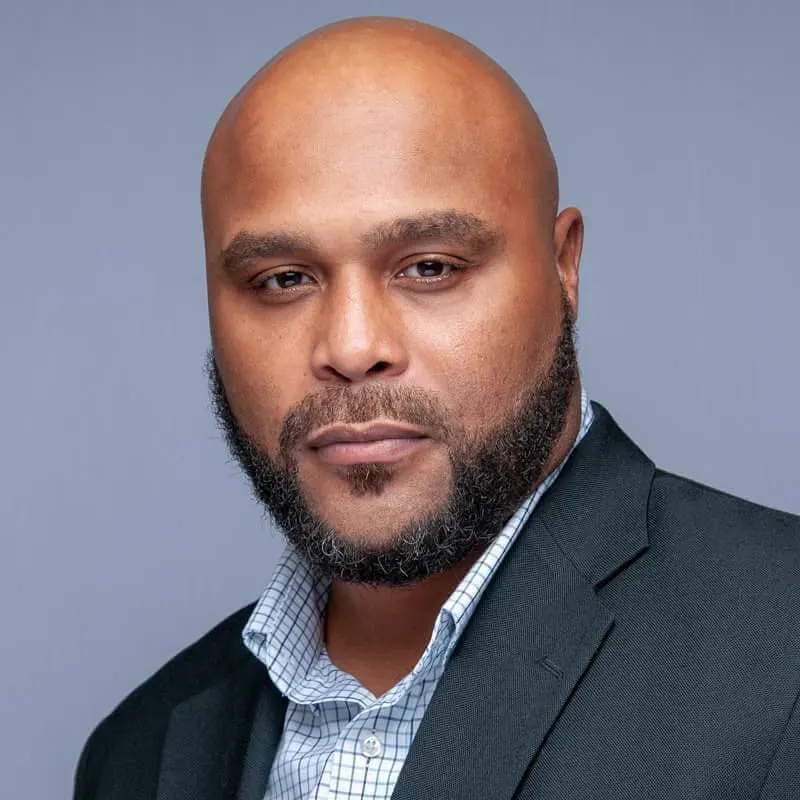
Melvin Williams Sr. was first arrested at 12, was in juvenile justice by 16, and was certified into adult court by 17. Officers, a judge, a behavioral health director, teachers, and coaches believed in him first. Those facts can frame a commitment to seeing possibility without predicting another person's future.
Belief is not a promise that the road ahead will be simple. It means you do not treat the worst documented moment as the limit of someone's capacity. Keep expectations specific and help the person identify actions that are possible within current conditions.
“Every person who walks through your doors carries gifts that their circumstances may have buried.”
“People become what you believe they can be — so believe in more of them than they yet believe in themselves.”
“Setbacks and mistakes do not have to define us.”
How do you build trust without making exceptions to safety rules?
Use approved spaces, communication methods, and procedures. Do not create secret arrangements, exchange prohibited items, or offer access you cannot justify within your role. A relationship built around hidden exceptions can put the person and others at risk.
Make small commitments you can keep: checking a requirement, returning an approved resource, or explaining the next step in a process. If circumstances prevent follow-through, acknowledge the change and give accurate information. Avoid blaming the person for being disappointed by a promise you made.
Be careful with information about yourself. A brief, relevant disclosure may sometimes fit your role, but personal details should not become an invitation to an outside relationship. Consult your supervisor and applicable rules when you are uncertain about a boundary.
“Trust is not given to you because of your title. It is earned, one kept promise at a time.”
“It is not the mistake that breaks a relationship. It is the refusal to repair it.”
How can listening support accountability?
Listening is not the same as excusing harmful conduct. Ask what the person understands about a situation, what consequences they recognize, and what they want to do differently. Keep the discussion grounded in their choices without inviting a performance designed only to satisfy you.
Describe behavior rather than assigning a permanent label. If an expectation was missed, state the expectation and the applicable process clearly. Do not use humiliation as a substitute for a difficult conversation about responsibility.
When tension rises, follow the safety procedures of your setting. Return to reflection when the situation is suitable rather than trying to force insight during an unsafe encounter. Support within your role does not require providing treatment or attempting an assessment you are not qualified to conduct.
“You cannot reach a person you have not first heard. Listening is the doorway in.”
“Give a person the answer and you help them once. Ask the right question and you teach them to find answers for life.”
How do you help someone prepare for reentry realistically?
Ask which immediate needs and responsibilities the person wants to plan for, while covering required planning tasks within your role. Priorities may include identification, housing, appointments, employment questions, transportation, or family contact. Do not assume the same sequence fits every person.
Turn the plan into clear next actions with known requirements and named responsibilities. Check information through approved sources rather than relying on a remembered phone number or an old list. Be transparent about what has been verified and what still needs confirmation.
Practice how to ask a question, explain a need, or request clarification when an instruction is confusing. Invite the person to explain the next step in their own words without making it a test. A plan is more useful when its owner can describe what to do if the first option fails.
“Give a person the answer and you help them once. Ask the right question and you teach them to find answers for life.”
“The measure of your mentorship is not whether a person still needs you. It is whether you helped them become someone who no longer does.”
What should happen when a disclosure raises a safety concern?
Explain confidentiality limits before inviting sensitive information. Be clear about required documentation and who may receive information under applicable rules. Never promise secrecy to gain trust, and never use a disclosure as material for informal conversations with coworkers.
When someone raises concerns about abuse, threats, self-harm, or other danger, follow applicable law and the emergency and reporting procedures of your setting. Do not investigate independently or promise a particular outcome. Seek appropriate assistance without delaying required protective action.
Where safe and permitted, explain what you are doing and what the person can expect next. Stay factual about what you know. Uncertainty is a reason to seek guidance, not a reason to invent reassurance or minimize a concern because the person has raised concerns before.
“You are not just doing a job. You are shaping the future of a human being.”
“The people you serve are studying you whether you intend it or not. Be worth studying.”
How do you prepare for transitions and keep your own practice steady?
Transfers, release dates, reassignment, and service limits can interrupt contact. Prepare for foreseeable changes, explain approved ways to continue receiving support, and coordinate handoffs only within information-sharing rules. Do not promise personal contact after release unless it is expressly appropriate and authorized.
Use supervision to examine frustration, disappointment, and the wish to be the one person who fixes everything. Maintain boundaries and restorative routines outside the work. The person you support should not have to carry your exhaustion or reassure you about the value of your effort.
Melvin Williams Sr. delivered a keynote for the Correctional Education Association. His Expanded Edition of There's a Mentor in You is a professional development resource that includes The Mentor's Field Guide with 17 practices. Use reflection to strengthen ordinary professional habits rather than to promise a particular reentry outcome.
“You cannot pour from an empty cup. Tending your own well is not a break from the work — it is part of the work.”
“The measure of your mentorship is not whether a person still needs you. It is whether you helped them become someone who no longer does.”
“One professional choosing to believe changes one life. A whole team choosing to believe changes an institution.”
Which book should you read next?
The Expanded Edition includes The Mentor's Field Guide and is written for professionals in child care, education, counseling, social work, and human services.
Get the Expanded Edition (The Practice)Bring this message to your team
Discuss your audience, date, and format with Melvin Williams Sr., or request bulk book pricing for staff reading.