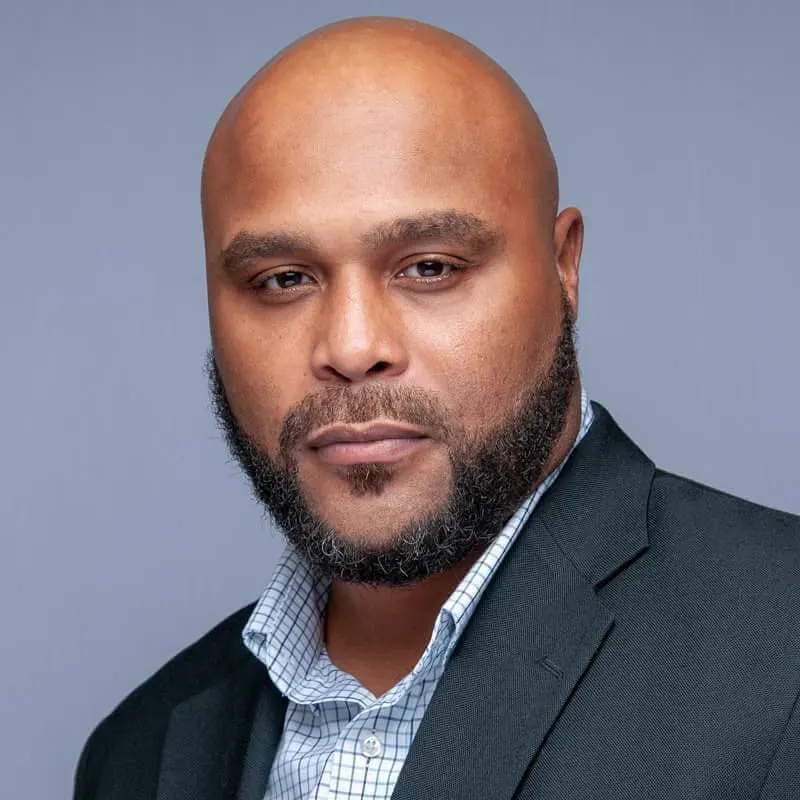
Author, keynote speaker, and Founder & CEO of The Philly Made Us Foundation
Last updated:
Where does mentoring fit within professional services?
Mentoring can be part of how you carry out your responsibilities rather than an additional promise to meet every need. You might help someone prepare questions for an appointment, think through a decision, or recognize a skill they used during a difficult week. Be clear about what service you are providing.
A warm relationship does not remove the duties attached to your position. Explain whether you make eligibility decisions, document progress, provide treatment within your credentials, or report to another authority. Someone deserves to understand those responsibilities before deciding what to share with you.
Ask what useful support would look like from their point of view. The answer may differ from the goal on a referral form. Identify where their priorities and your service responsibilities overlap, and be honest about requirements that are not yours to change.
“The relationship is not the path to the work. The relationship is the work.”
“You are not just doing a job. You are shaping the future of a human being.”
How do you build trust when someone has heard many promises?
Begin with what you control. Explain when you will call, how messages are handled, and what happens if you are away. Avoid promising that an application will succeed or another provider will have an opening. You can promise to take a defined action, not to control someone else's decision.
If a person is frustrated, listen before defending the service system. Ask which part of the process has been most difficult and what they need clarified. You do not have to agree with every conclusion to acknowledge that a confusing process can leave someone feeling unheard.
Keep your follow-through visible. If you said you would check a requirement, return with the information or explain why you do not yet have it. An honest update is better than silence that forces someone to wonder whether they have been forgotten.
“Trust is not given to you because of your title. It is earned, one kept promise at a time.”
“You cannot reach a person you have not first heard. Listening is the doorway in.”
How do you support choice without taking over?
Offer options in plain language, including known limits and responsibilities. Ask the person which option fits their priorities and what concerns they have about it. Do not treat agreement with your recommendation as the only sign that mentoring is working.
Break a large goal into a next action that the person chooses. That might mean gathering a document, drafting a question, or deciding whether to contact a service. Check practical access needs without assuming that a missed step means a lack of interest.
Help people practice tasks rather than automatically completing everything for them. Some circumstances require direct assistance or accommodations, and independence should not become an excuse to withhold needed support. The aim is meaningful participation and choice, not a test of whether someone can manage alone.
“Do not ask a person to become worthy of your help. Help them, and watch them become.”
“Give a person the answer and you help them once. Ask the right question and you teach them to find answers for life.”
“The measure of your mentorship is not whether a person still needs you. It is whether you helped them become someone who no longer does.”
How do you respond when a person misses appointments?
Start with the facts you know: an appointment was missed, a deadline passed, or contact stopped. Avoid filling the gap with a story about laziness or resistance. Use approved outreach methods and ask whether a different arrangement is possible within your service rules.
Explain any consequences accurately and early enough for the person to understand available options. Do not threaten loss of support to produce gratitude or engagement. If a policy limits your flexibility, say so clearly and identify any established review or appeal process that applies.
When contact resumes, make room to restart without requiring an emotional apology. Discuss what got in the way only as far as it helps with planning and your professional responsibilities. Agree on the next realistic step rather than demanding a complete explanation of someone's private life.
“Every person who walks through your doors carries gifts that their circumstances may have buried.”
“Difficulty is information. The hardest people to reach are hard for a reason — and the reason is almost always pain.”
What boundaries and safety duties need to be explicit?
Describe your availability, approved contact channels, confidentiality limits, and the distinction between routine contact and urgent help. A person should not have to discover during a crisis that your messages are not monitored after hours. Use the safety information and procedures appropriate to your setting.
Follow applicable reporting law, professional requirements, and agency procedures when abuse, neglect, or danger is disclosed or suspected. Know which duties belong to you personally. Seek consultation where appropriate, but do not let consultation become a reason to delay an urgent response or required report.
Keep records factual, relevant, and stored in approved systems. Share information only as permitted or required, with appropriate consent when needed. Avoid informal conversations about a person's situation simply because another colleague knows them or might find the story interesting.
“The people you serve are studying you whether you intend it or not. Be worth studying.”
How do you make a referral without making it feel like rejection?
Explain what the other professional or service may be able to address and what you do not know about access. Do not describe a referral as a guaranteed solution. Ask about the person's preferences, permission for coordination, and practical barriers before deciding the handoff is complete.
When allowed, help identify the next contact step and clarify who will make it. You might help prepare a list of questions or explain what information the service requests. Do not send sensitive details beyond what is authorized and necessary just to make the introduction easier.
Clarify what remains part of your role after the referral. If your involvement must end, say when and why, and follow the appropriate transition process. If it continues, avoid suggesting that the person must choose between trusting you and working with another professional.
“A wounded warrior does not need you to fix everything. They need you to see them, to stay, and to refuse to let their worst chapter be the whole book.”
“One professional choosing to believe changes one life. A whole team choosing to believe changes an institution.”
How can teams sustain mentoring without promising unlimited care?
Use supervision to examine uncertainty, frustration, and the pull to rescue. Bring relevant questions through approved channels rather than discussing identifiable situations casually. Notice when you are making exceptions that cannot be explained, maintained, or offered within fair professional standards.
Plan for leave, staff changes, and case closure before an interruption becomes a surprise. Explain coverage and the limits of that coverage. Review the person's own progress and sources of support so the transition recognizes their ability rather than treating your availability as the only protection they have.
The Expanded Edition of There's a Mentor in You by Melvin Williams Sr. includes The Mentor's Field Guide with 17 practices for professional development. A useful team discussion can focus on one everyday responsibility, such as keeping promises or making respectful referrals, without sharing identifying client information.
“You cannot pour from an empty cup. Tending your own well is not a break from the work — it is part of the work.”
“The measure of your mentorship is not whether a person still needs you. It is whether you helped them become someone who no longer does.”
“One professional choosing to believe changes one life. A whole team choosing to believe changes an institution.”
Which book should you read next?
The Expanded Edition includes The Mentor's Field Guide and is written for professionals in child care, education, counseling, social work, and human services.
Get the Expanded Edition (The Practice)Bring this message to your team
Discuss your audience, date, and format with Melvin Williams Sr., or request bulk book pricing for staff reading.