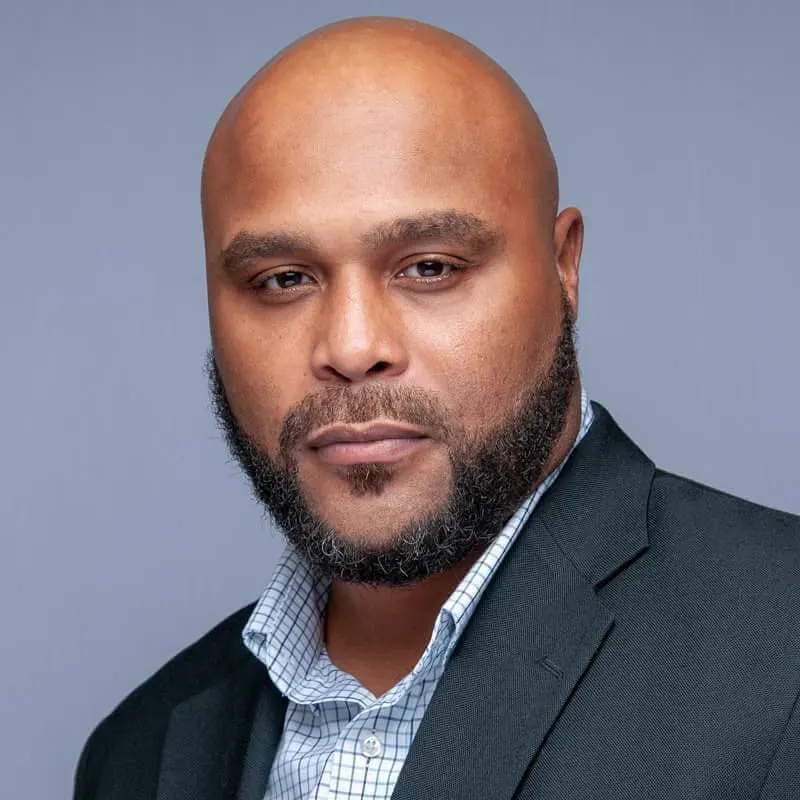
Author, keynote speaker, and Founder & CEO of The Philly Made Us Foundation
Last updated:
What does mentoring look like during a school day?
Mentoring does not have to begin with a separate program or a long meeting. It can begin when you remember a concern a student raised, notice an effort without demanding an audience, or make time for a conversation you said you would have. The important part is that your attention becomes dependable rather than occasional.
Keep the purpose clear. A teacher can help a student think through a difficult assignment, practice asking for support, or recover after a classroom conflict. A school counselor may have different responsibilities, but neither role requires becoming a friend, a parent, or the only adult the student trusts.
Ask the student what would make your check-ins useful. Their answer might be a quiet place to organize the week or help planning a conversation with another adult. Begin with a manageable goal that belongs to the student, not a complete life plan designed by you.
“The relationship is not the path to the work. The relationship is the work.”
“You are not just doing a job. You are shaping the future of a human being.”
How do you earn trust from a student who keeps a distance?
Your title explains your responsibility; it does not establish trust. Tell the student when you are available and what you can actually offer. A short check-in that happens is more useful than a generous promise that disappears when your calendar fills up.
Let a student decline to talk without turning that decision into a discipline issue. You can remain welcoming while respecting their choice. Offer another time or an approved way to ask for help, and avoid treating silence as evidence that you know what is happening at home.
Listen without racing to turn every sentence into a lesson. Ask what the student wants you to understand before suggesting a next step. Do not require a painful disclosure as the price of your patience, and do not ask for details simply because you are curious.
“Trust is not given to you because of your title. It is earned, one kept promise at a time.”
“You cannot reach a person you have not first heard. Listening is the doorway in.”
How can you hold expectations without defining a student by behavior?
A student can be responsible for a harmful action without being reduced to that action. Describe what happened in specific, neutral language, explain the relevant expectation, and make room for the student to respond. Avoid labels that turn a difficult afternoon into an identity.
Keep correction as private as the situation allows. Public arguments can pull an audience into a conversation that should be about responsibility and repair. If immediate safety requires intervention, address that first and return to the fuller conversation when you can do so appropriately.
Ask what needs to happen next: completing missed work, repairing damaged property through the approved process, or practicing a different way to request a break. Do not promise to erase a consequence. Help the student understand their options and prepare to take a realistic next step.
“Every person who walks through your doors carries gifts that their circumstances may have buried.”
“Give a person the answer and you help them once. Ask the right question and you teach them to find answers for life.”
“Setbacks and mistakes do not have to define us.”
What should you say about confidentiality and student safety?
Explain privacy before a sensitive conversation, using language the student can understand. Do not promise that everything will stay between you. Describe that you may have to share concerns with designated people to protect safety or meet your legal and professional responsibilities.
If a student describes possible abuse, neglect, self-harm, or danger to someone else, follow applicable law and school procedures promptly. Know your own reporting duties; do not assume that telling a colleague automatically fulfills them. Seek appropriate guidance without delaying a required report or urgent safety response.
Listen calmly and avoid conducting your own investigation. Record necessary information factually through approved systems, and share only with people authorized to receive it. When appropriate and safe, explain the next step to the student rather than leaving them to guess what your response will be.
“The people you serve are studying you whether you intend it or not. Be worth studying.”
How do you work with families and other school professionals?
Start by understanding who is authorized to receive information and what consent or school procedures apply. A mentoring relationship does not create permission to share a student's personal details with everyone who cares about them. Use established channels and consult the appropriate staff when you are unsure.
When a conversation with a caregiver is appropriate, describe concrete observations instead of guessing about motives or family life. Include what the student is working toward, not only what went wrong. Ask what communication arrangements are practical rather than assuming every household can answer at the same time.
Coordinate support so a student does not have to repeat difficult information unnecessarily. Clarify who will follow up on an academic concern, a referral, or a safety plan within their role. The student should know whom to approach, and the adults should know which responsibilities remain theirs.
“One professional choosing to believe changes one life. A whole team choosing to believe changes an institution.”
What should you do when you miss a check-in or get something wrong?
Repair begins with an accurate acknowledgment. If you forgot a meeting, say you forgot it instead of making the student responsible for reminding you. A brief apology followed by a realistic new arrangement gives your words something concrete to stand on.
If you misunderstood a situation, correct the misunderstanding with the people who need that correction. Do not ask the student to comfort you or declare that everything is fine. They are allowed to need time before they rely on you again.
Prepare for predictable interruptions such as testing, schedule changes, and school breaks. Explain when you will be unavailable and identify approved support during that time. Steadiness does not mean unlimited access; it means being honest about access and careful about transitions.
“It is not the mistake that breaks a relationship. It is the refusal to repair it.”
“Half of saving a life is simply refusing to leave. Show up, and keep showing up.”
How can educators keep mentoring sustainable?
Choose a rhythm that fits your responsibilities and the school's expectations. Use approved spaces, communication tools, and documentation practices. Avoid private social media contact, special secrecy, or personal arrangements that create unequal access and make the relationship difficult to supervise.
Notice when you are trying to carry needs that require a different professional response. Consult the appropriate colleague or supervisor, make a referral through the school's process, and clarify what support you can still provide. A referral should not sound like rejection or a promise that another service will be immediately available.
The Expanded Edition of There's a Mentor in You by Melvin Williams Sr. is a professional development resource that includes The Mentor's Field Guide with 17 practices. Use professional reflection to examine one habit at a time: how you listen, how you set limits, or how you follow through.
“You cannot pour from an empty cup. Tending your own well is not a break from the work — it is part of the work.”
“The measure of your mentorship is not whether a person still needs you. It is whether you helped them become someone who no longer does.”
Which book should you read next?
The Expanded Edition includes The Mentor's Field Guide and is written for professionals in child care, education, counseling, social work, and human services.
Get the Expanded Edition (The Practice)Bring this message to your team
Discuss your audience, date, and format with Melvin Williams Sr., or request bulk book pricing for staff reading.