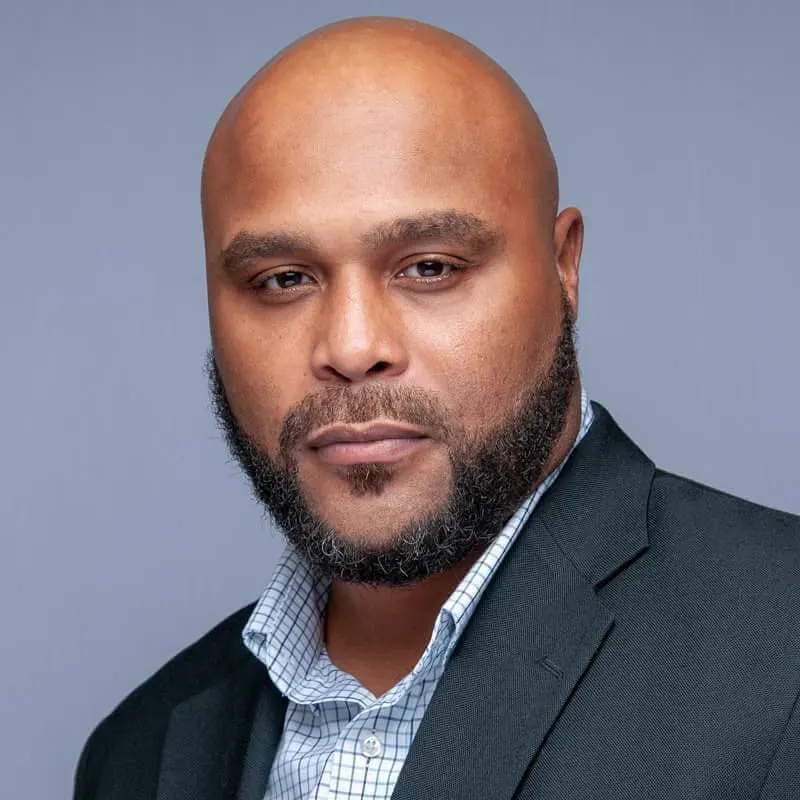
Author, keynote speaker, and Founder & CEO of The Philly Made Us Foundation
Last updated:
What should workplace mentoring help someone do?
Begin with the work the person wants to understand or do more confidently. They may want help preparing for a meeting, navigating an unfamiliar responsibility, or deciding which skill to practice next. Avoid assuming that every person wants promotion, management duties, or a career path like yours.
Mentoring offers perspective and space to think; it does not replace training, clear job expectations, or the resources needed to perform a role. If the problem is missing instructions or an unsafe working condition, do not treat confidence as the only issue. Help identify the appropriate channel for the actual need.
Agree on a small purpose for the relationship and revisit it as circumstances change. A useful goal names something the mentee wants to do, not simply how often the pair will meet. Let the person help decide what evidence of progress would be meaningful.
“Give a person the answer and you help them once. Ask the right question and you teach them to find answers for life.”
“The measure of your mentorship is not whether a person still needs you. It is whether you helped them become someone who no longer does.”
How do you set up a clear mentoring agreement?
Discuss meeting frequency, length, contact methods, and preparation. Choose a rhythm that fits both people's responsibilities instead of offering constant availability. State what happens when a meeting needs to move and how either person can raise a concern about the arrangement.
Clarify the difference between your mentoring role and any authority you hold. If you also assign work, evaluate performance, or influence advancement, say so directly. Someone should not have to guess whether a difficult question will become part of a performance decision.
Explain privacy limits before inviting personal information. Agree not to repeat ordinary mentoring discussions casually, but do not promise secrecy about matters you must report or address under workplace policy or law. Identify where the mentee can seek confidential support if your role cannot provide it.
“Trust is not given to you because of your title. It is earned, one kept promise at a time.”
“The people you serve are studying you whether you intend it or not. Be worth studying.”
How can a mentor listen without taking over the conversation?
Ask what would be useful today: space to think, feedback on an approach, or help identifying options. Give the person time to describe the situation before deciding you recognize it. A familiar workplace problem may involve details you have not yet heard.
Ask about what they have already tried and what they believe is getting in the way. Distinguish information they need from decisions that belong to them. Avoid turning each question into a story about how you handled your own career.
Offer your experience as one perspective, not an instruction that must be followed to keep your support. Explain the limits of what you know. If an issue involves another team or a technical area outside your knowledge, help identify a suitable source rather than guessing with confidence.
“You cannot reach a person you have not first heard. Listening is the doorway in.”
“Give a person the answer and you help them once. Ask the right question and you teach them to find answers for life.”
How do you give feedback that preserves dignity?
Ask whether feedback would be useful and choose an appropriate setting. Describe a specific action you observed and its connection to the work, rather than assigning a character trait. Leave room for context you may not have seen.
Make the next step practical. Instead of telling someone to be more confident, help them prepare an opening question, organize a presentation, or rehearse a respectful disagreement. Invite them to choose an approach that fits their responsibilities and communication style.
Follow up on the experiment without treating an imperfect attempt as proof that they ignored you. Ask what worked, what felt awkward, and what they would change. When your advice was incomplete or unhelpful, acknowledge that directly instead of placing every disappointing result on the mentee.
“It is not the mistake that breaks a relationship. It is the refusal to repair it.”
“The people you serve are not looking for a flawless professional. They are looking for proof that it is possible to struggle and still rise.”
How do you keep workplace mentoring fair and professional?
Consider who can realistically participate in the arrangements you suggest. Meetings outside paid working time, social events, or informal travel may exclude someone for reasons unrelated to motivation. Use approved arrangements and ask about access needs without demanding private explanations.
Do not tie support to friendship, personal disclosure, gifts, or loyalty. Avoid gossip about coworkers and do not invite the mentee to take your side in workplace conflicts. A person should be able to disagree with your advice without fearing a personal or professional penalty.
Be honest about opportunities you can and cannot influence. You may help someone prepare an application or understand a process, but do not guarantee promotion or special access. Where you have decision-making authority, follow applicable rules about fairness, disclosure, and conflicts of interest.
“Every person who walks through your doors carries gifts that their circumstances may have buried.”
“Do not ask a person to become worthy of your help. Help them, and watch them become.”
“The people you serve are studying you whether you intend it or not. Be worth studying.”
What belongs outside a workplace mentor's role?
Personal difficulties may enter the conversation because people do not stop being human at work. Listen respectfully without pressing for details or attempting counseling beyond your qualifications. Ask whether the person wants help identifying the appropriate support available to them.
Concerns about harassment, discrimination, safety, or serious misconduct may require formal action. Follow your actual responsibilities and applicable workplace procedures; do not promise to handle everything privately. Explain reporting limits and avoid conducting an unofficial investigation through mentoring conversations.
If there is immediate danger, use the relevant emergency process rather than waiting for the next mentoring meeting. For nonurgent concerns beyond your role, clarify the referral or reporting path and what you can still offer. A boundary is more respectful when it is explained clearly rather than appearing as sudden withdrawal.
“You are not just doing a job. You are shaping the future of a human being.”
“You cannot pour from an empty cup. Tending your own well is not a break from the work — it is part of the work.”
How do you know when to change or end the arrangement?
Review the original purpose together. Ask what the mentee can now do more independently, where they still want guidance, and whether a different person or resource would fit the next goal. A relationship can have been valuable even when regular meetings are no longer needed.
If meetings have become unhelpful, discuss that without making either person defend their worth. Adjust the format or close the arrangement with a clear final conversation. Do not keep someone in a mentoring relationship because their reliance makes you feel useful.
The Expanded Edition of There's a Mentor in You by Melvin Williams Sr. is a professional development resource that includes The Mentor's Field Guide with 17 practices. Use reflection to examine your presence, follow-through, and boundaries, while letting the mentee retain ownership of their career decisions.
“You cannot pour from an empty cup. Tending your own well is not a break from the work — it is part of the work.”
“The measure of your mentorship is not whether a person still needs you. It is whether you helped them become someone who no longer does.”
Which book should you read next?
The Expanded Edition includes The Mentor's Field Guide and is written for professionals in child care, education, counseling, social work, and human services.
Get the Expanded Edition (The Practice)Bring this message to your team
Discuss your audience, date, and format with Melvin Williams Sr., or request bulk book pricing for staff reading.