Last updated:
What is the difference between an answer and a relationship?
An answer addresses a question. A mentoring relationship involves people who take responsibility for how they show up over time. A useful explanation can be part of that relationship, but it does not replace attention to context, professional boundaries, and the other person’s needs. A mentor can notice that the question being asked is not the whole issue and can respond through a role that carries real accountability.
AI-generated language can sound encouraging without a person making any commitment behind it. That distinction does not mean every use of AI is inappropriate. It means that a mentor should not confuse a fluent response with a relationship. When a task is delegated to a tool, someone still needs to decide whether the output is accurate, appropriate, and useful for the person in front of them.
Why does belief require more than encouraging words?
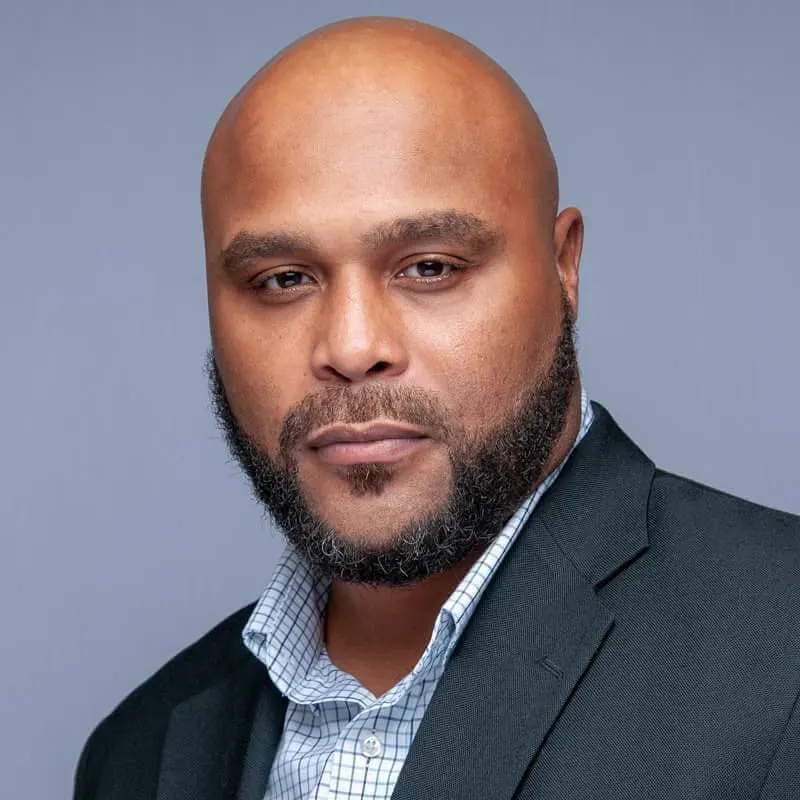
Belief becomes meaningful when it connects with action: listening, following through, making an appropriate introduction, or helping someone think about a next step. Melvin Williams Sr. credits ordinary people who believed in him before he believed in himself. Officers, a judge, a behavioral health director, teachers, and coaches are part of that account. The point is not simply that positive words existed. It is that human beings in real roles mattered in his life.
A professional can use that perspective to examine which responsibilities should remain personal. If a staff member promises to check something, a generated reminder does not fulfill the promise. If a young person needs an appropriate referral, a polished paragraph does not complete that connection. Technology may assist an authorized workflow, but the adult or organization remains responsible for what is communicated and what actually happens afterward.
Where might AI help without replacing the mentor?
An organization might consider a tool for a general meeting outline, a list of discussion prompts, or a first draft of non-sensitive material. These are possible uses to evaluate, not endorsements of a particular system. The person using the tool should review the output and determine whether it fits the organization’s policies and the audience. It should not be treated as an expert merely because it can produce confident language.
Keep the purpose narrow. Ask whether the task needs personal knowledge, judgment, or access to confidential information. If it does, a general tool may be inappropriate or may require specific approval and protections. A mentoring conversation is not an opportunity to paste someone’s personal history into a system for convenience. Before any use involving private information, follow the organization’s privacy and security requirements and seek the appropriate guidance.
What should a mentor never delegate casually?
Do not casually delegate judgments about a person’s safety, mental health, legal situation, or eligibility for an opportunity. These decisions involve responsibilities that extend beyond an ordinary mentoring relationship and require the appropriate professional process. A mentor should not present generated advice as a clinical, legal, or safeguarding determination. When the issue is outside the mentor’s role, the next step is a qualified person or an approved organizational channel.
Be especially careful with private case notes, youth information, employment records, and personal disclosures. A tool’s convenience does not establish consent or make disclosure appropriate. Staff should understand the approved uses before adopting a workflow. The question is not whether the technology can accept the information. It is whether the organization is authorized to share it, what protections apply, and who remains accountable for the result.
How can educators and leaders discuss AI without losing the person?
Begin with the human need the task is meant to serve. Does a student need an explanation, an opportunity to ask a question, or a trusted adult to listen? Does a colleague need information, feedback, or help understanding a decision? A faster output may support one need and miss another. The discussion should make that difference explicit rather than treating efficiency as the only measure of a useful interaction.
Invite professionals to identify where their presence matters most. They may decide that preparation can be supported by a tool while a difficult conversation needs direct attention. They may find that a draft helps organize ideas but requires substantial review before it can be used. These are decisions about the work, not claims about universal AI capability. Keep the conversation grounded in the organization’s actual responsibilities, limitations, and approved practices.
What does the mentorship message contribute to workforce conversations?
Workforce development and corporate leadership audiences can discuss new tools alongside trust and professional responsibility. Melvin Williams Sr. is CEO of M&N Communications and an author and keynote speaker. Those confirmed roles provide context, but this article does not invent technical credentials, contracts, partnerships, or measured outcomes. The speaking topic is why the human act of belief remains relevant when tools change how work is organized.
An employer can ask how a person learns the expectations of a role, where they feel comfortable asking for help, and who follows up after a setback. Those are questions about culture and relationships as well as information. A discussion about AI should not make mentoring a substitute for job training, nor should job training make relationships irrelevant. Each organization needs to decide how these responsibilities work together in its own setting.
How can a team explore this topic with Melvin Williams Sr.?
The interview topics on the Press page include why mentorship matters in the age of AI. A speaking inquiry can describe the audience, the questions they are facing, and whether the event should focus on leadership, workforce development, educators, or youth-serving professionals. As a mentorship speaker Philadelphia organizations can consider, Melvin is based in Blue Bell, Montgomery County, in the Greater Philadelphia region.
There’s a Mentor in You book offers a professional development resource for continuing the human side of that conversation. The Expanded Edition includes The Mentor’s Field Guide. A keynote, workshop, or bulk book study should be scoped through the booking conversation, with clear boundaries around what is being discussed. The goal is a responsible exploration of belief and relationships, not a promise that technology or a single event can solve every workplace challenge.
How do you take the next step?
Discuss your audience, date, topic, and format with Melvin Williams Sr. For team reading, request bulk book pricing.