Last updated:
What does making a difference actually ask of an adult?
It asks for attention, consistency, and responsibility rather than a promise to fix everything. An educator, counselor, coach, or youth worker may already have repeated contact with a young person. The opportunity is to use that contact thoughtfully: understand the immediate concern, remember what was shared when appropriate, and follow through on a commitment that fits the role. A small action is not automatically meaningful, but it can communicate care when it is honest and consistent.
Avoid making the relationship about being the person who saves someone. Young people have their own agency, families, communities, and experiences. A mentor is one influence among others. This perspective reduces the temptation to take credit for every success or blame for every difficulty. It also makes room for collaboration with the appropriate professionals and for respecting the young person’s choices within safeguarding and organizational requirements.
Why is belief different from telling someone to try harder?
Belief recognizes possibility before demanding proof of it. Telling someone to try harder may be appropriate in some contexts, but it can miss the question of whether the person feels heard or understands the next step. A mentor can ask what is difficult, identify a capability they have actually observed, and help the young person consider a manageable action. The encouragement should be specific enough to be useful and honest enough not to become an empty promise.
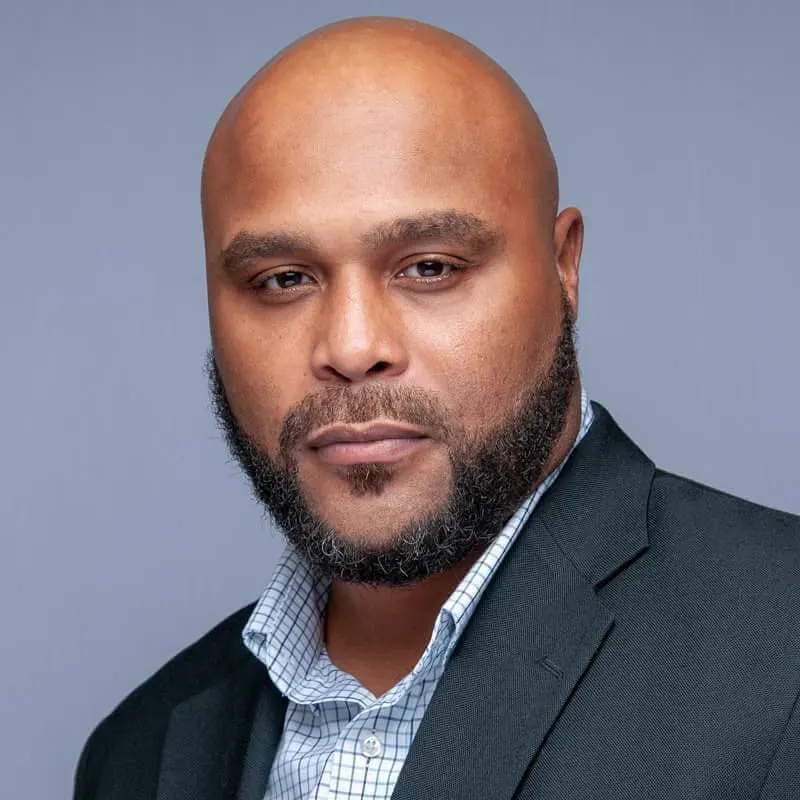
Melvin Williams Sr. credits officers, a judge, a behavioral health director, teachers, and coaches who believed in him before he believed in himself. The lesson is not that they all used the same technique. It is that ordinary people in different roles could see more than his immediate circumstances. An adult can carry that perspective into their own work without imitating a personal story or inventing words those people supposedly said.
How do you listen without demanding a personal story?
Ask about the issue the young person is willing to discuss. That might be an assignment, a practice, a job application, or something they want to understand. You do not need a full trauma history before you can be respectful. Make clear what your role allows you to keep private and what it requires you to report. Do not promise secrecy that would conflict with your professional responsibilities.
When the young person speaks, check your understanding before proposing a solution. Consider whether they want practical guidance, an explanation, or simply a moment to think aloud. Leave room for them to disagree with your interpretation. Listening is not a method for extracting the answer you expected. It is a way to learn enough about the person’s perspective to respond responsibly. If their needs extend beyond your role, use the appropriate referral process.
What does recognizing strengths look like in practice?
Name something you can genuinely observe rather than giving a broad compliment that could apply to anyone. A young person may show patience, curiosity, persistence, or care for another person. The observation should be grounded in what happened, not in a prediction about who they will become. This allows encouragement to remain credible even when the person is also dealing with a setback or needs to meet a clear expectation.
Connect the strength to a next step they can help choose. Ask how it might be useful in school, work, or a responsibility they care about. Avoid turning every positive observation into pressure to perform. Mentorship can offer a space to explore potential rather than an additional evaluation. Where the relationship is part of a formal program, follow its guidance on goals, communication, consent, and documentation.
How do you keep a commitment without overpromising?
Choose something within your role and capacity. That might be explaining a process, checking a resource, or making an approved introduction. Say what you will do and when you expect to do it. If circumstances change, explain that change rather than allowing the commitment to disappear. A mentor who is honest about limits can be more reliable than one who promises unrestricted availability.
Professional boundaries protect both people. Do not offer private contact, transportation, gifts, or access outside the organization’s rules. If the young person needs support you cannot provide, acknowledge that clearly and connect them with the appropriate channel. Following through should not depend on becoming the only trusted adult in the person’s life. The goal is support that can sit alongside other responsible relationships.
What can schools and youth organizations do?
Organizations can make relationship-centered practice part of professional development without inventing a new service claim. Ask staff where listening, clarity, and follow-through already occur, and where the working routine makes them difficult. Identify training and safeguarding needs before creating a formal mentoring arrangement. A school district professional development speaker can begin that discussion, but the organization remains responsible for its policies, implementation, and evaluation.
For those researching youth mentorship Montgomery County PA, The Philly Made Us Foundation is a Blue Bell 501(c)(3) nonprofit led by Founder & CEO Melvin Williams Sr. Its youth mentorship program for justice-impacted and at-risk youth is being developed, not operating. This article does not announce enrollment or a partnership. Families and organizations should ask directly for current information rather than interpreting the speaking message as an active program listing.
How does the book help continue the conversation?
There’s a Mentor in You: Your Small Actions of Belief Make a Difference in a Life is a professional development and leadership resource. The Expanded Edition includes The Mentor’s Field Guide and is available on Amazon in Kindle, paperback, hardcover, and audiobook formats. A team can discuss the message while keeping private case details and personal trauma out of the room.
If you want to bring the topic to educators, counselors, youth-serving nonprofits, faith communities, or other professional audiences, describe the audience in a speaking inquiry. Ask how a keynote, workshop, or bulk book study might fit the event. The useful outcome to plan for is a clear conversation and a realistic next step, not a guarantee about how one young person’s future will unfold.
How do you take the next step?
Discuss your audience, date, topic, and format with Melvin Williams Sr. For team reading, request bulk book pricing.