Last updated:
Who is this corrections and reentry conversation for?
This page is for organizations planning staff development in corrections, juvenile justice, or reentry. The intended audience is professionals reflecting on the human influence within their roles. A mentoring perspective does not authorize private arrangements, bypass policy, or remove security responsibilities. It asks how clear expectations, respectful communication, and appropriate guidance can sit alongside the work staff are required to do.
When booking a reentry speaker, distinguish between audiences. Correctional staff, reentry professionals, employers, and community organizations may be addressing different stages and different practical needs. Describe the audience and purpose rather than assuming one talk should cover every part of a person’s return to the community. The event can begin a conversation while the organization retains responsibility for its own procedures and services.
Why does Melvin’s lived experience matter here?
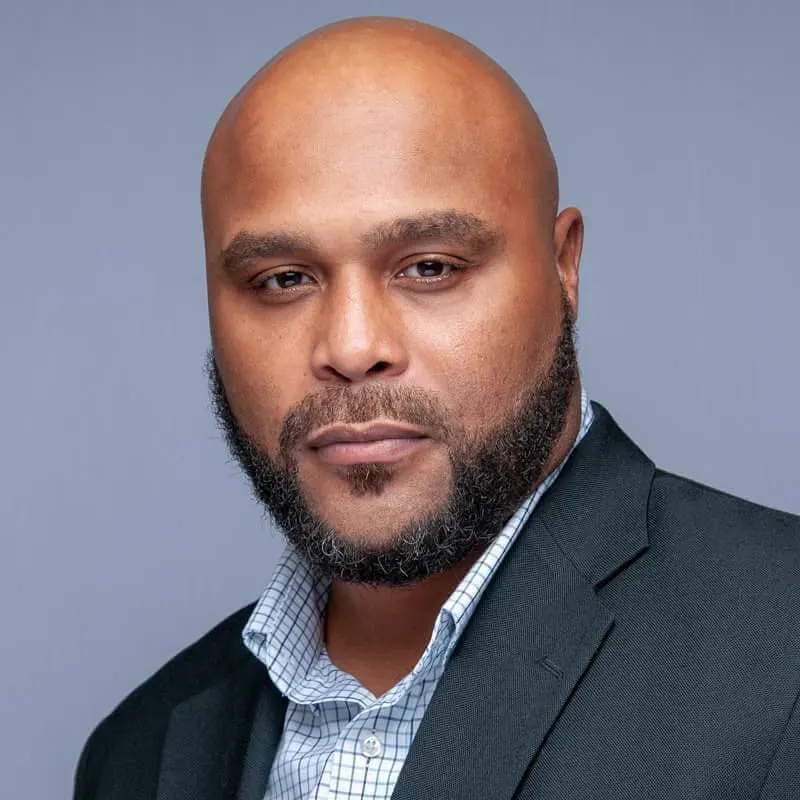
Melvin was first arrested at twelve, in the juvenile justice system by sixteen, and certified into adult court by seventeen. He has never returned to prison. He credits officers, a judge, a behavioral health director, teachers, and coaches who believed in him before he believed in himself. These confirmed facts explain the connection between his experience and the topic of everyday professional influence.
Beyond the Record focuses on building pathways from justice-impacted to workforce ready. It invites a conversation about second chances without denying accountability or the barriers a record can create. No particular correctional facility or partner organization is claimed here. His Foundation’s youth mentorship program is being developed, not operating, and must not be confused with an existing corrections or reentry service.
What should organizations clarify before an event?
Share the staff roles, event purpose, location, proposed date, and policy considerations that affect examples or discussion. A professional event should not become an open review of confidential cases. Determine which questions can be discussed in a group and which belong with a supervisor, clinician, legal professional, or another authorized person.
Consider how the event will connect with current training and what follow-up is realistic. A team can reflect on explaining a next step, making an approved referral, or communicating expectations respectfully. Those actions should be discussed within policy. Do not claim that a single keynote guarantees rehabilitation, employment, safety, or reentry success; agree a scope that the organization can implement responsibly.
What talk topics can you discuss?
There’s a Mentor in You centers on small actions of belief and the influence of ordinary professionals. For correctional staff, juvenile justice professionals, and reentry organizations, it can open a discussion about listening, trust, encouragement, and professional responsibility. The message should be connected to the people in the room, not treated as a formula that guarantees a particular result. Explain the purpose of your event so the topic can be discussed in context.
The Mentor’s Field Guide brings practical mentoring reflection into the conversation. Beyond the Record addresses pathways from justice-impacted to workforce ready. Anchored in Hope connects mentorship, education, and opportunity. These existing topics give you a starting point for a booking conversation. Ask which focus and format best fit your audience rather than assuming every topic will be combined into one session.
What can the audience take away?
The intended takeaway is a clearer understanding of the influence within everyday professional interactions and a manageable reflection on how to use it. Participants can consider how they listen, communicate expectations, recognize strengths, and follow through within their responsibilities. These are learning aims, not promised changes in safety, retention, employment, student outcomes, or any other result that would require its own evaluation.
A useful follow-up asks what the group wants to keep discussing and which practices fit existing policy. Leadership can decide what additional training or support is needed. No participant should have to share private client information or personal trauma to engage with the message. The organization remains responsible for implementation, professional boundaries, and the conditions in which the discussion takes place.
Which formats can you plan around?
Discuss a keynote for a shared introduction to the message, a workshop for more focused staff reflection, or a bulk book study to continue the conversation over time. There’s a Mentor in You: Your Small Actions of Belief Make a Difference in a Life is a professional development resource; the Expanded Edition includes The Mentor’s Field Guide. Kindle, paperback, hardcover, and audiobook formats are available on Amazon.
Agree the actual session length, delivery arrangement, accessibility needs, book quantity, pricing, and timing through the booking conversation. This page does not set a fee, a discount, or a confirmed date. If copies are part of the event, request bulk book pricing and clarify the format and delivery needs. A practical plan leaves enough room for staff responsibilities and realistic follow-up instead of treating a single event as the whole development process.
How do you book Melvin Williams Sr. for this audience?
Use the contact page and describe correctional staff, juvenile justice professionals, and reentry organizations, your organization, proposed date, venue, and event purpose. Include the topic you want to explore and whether you are considering a keynote, workshop, or bulk book study. If there are policy or accessibility considerations, share the relevant requirements without sending confidential personal records. Melvin can also be reached at 267-270-7102.
A request starts a conversation about fit and availability. It does not reserve a date or establish a partnership. Keep the next step specific: what audience is being served, which professional question the session should address, and how the organization will support any follow-up. That approach connects the message of belief to a useful professional experience while avoiding promises that a speaker or book cannot responsibly make.
How do you take the next step?
Discuss your audience, date, topic, and format with Melvin Williams Sr. For team reading, request bulk book pricing.